Explore Wildlife
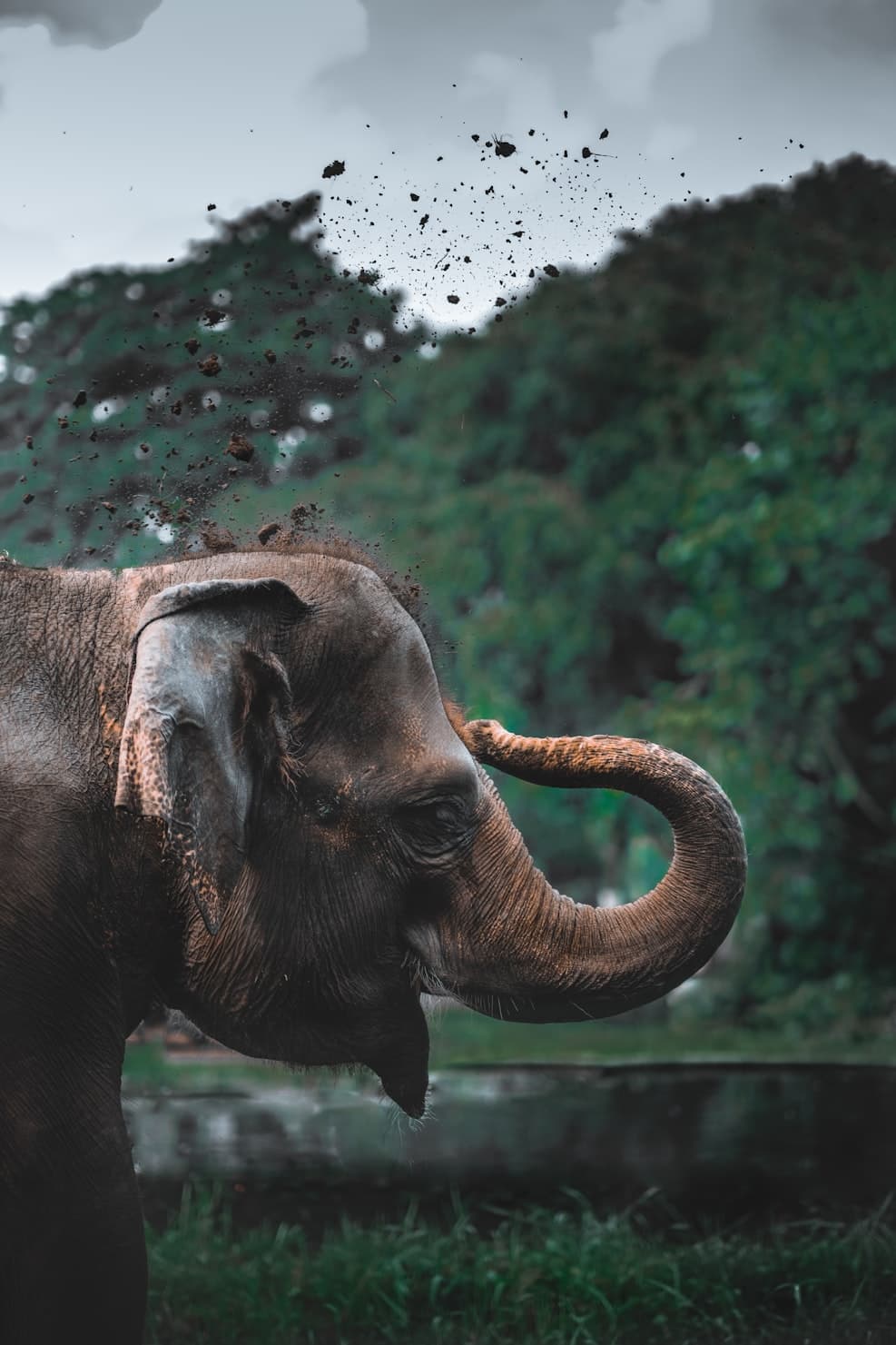 Endangered
Asian Elephant
Elephas maximus
Indian Elephant, Asian Elephant
The Asian elephant is the largest land animal in Asia and a culturally revered species across South and Southeast Asia. Smaller than its African counterpart, it is distinguished by its smaller ears, more rounded back, and the presence of a single 'finger' on its trunk tip. Asian elephants play an important ecological role as seed dispersers and habitat modifiers in tropical forests.
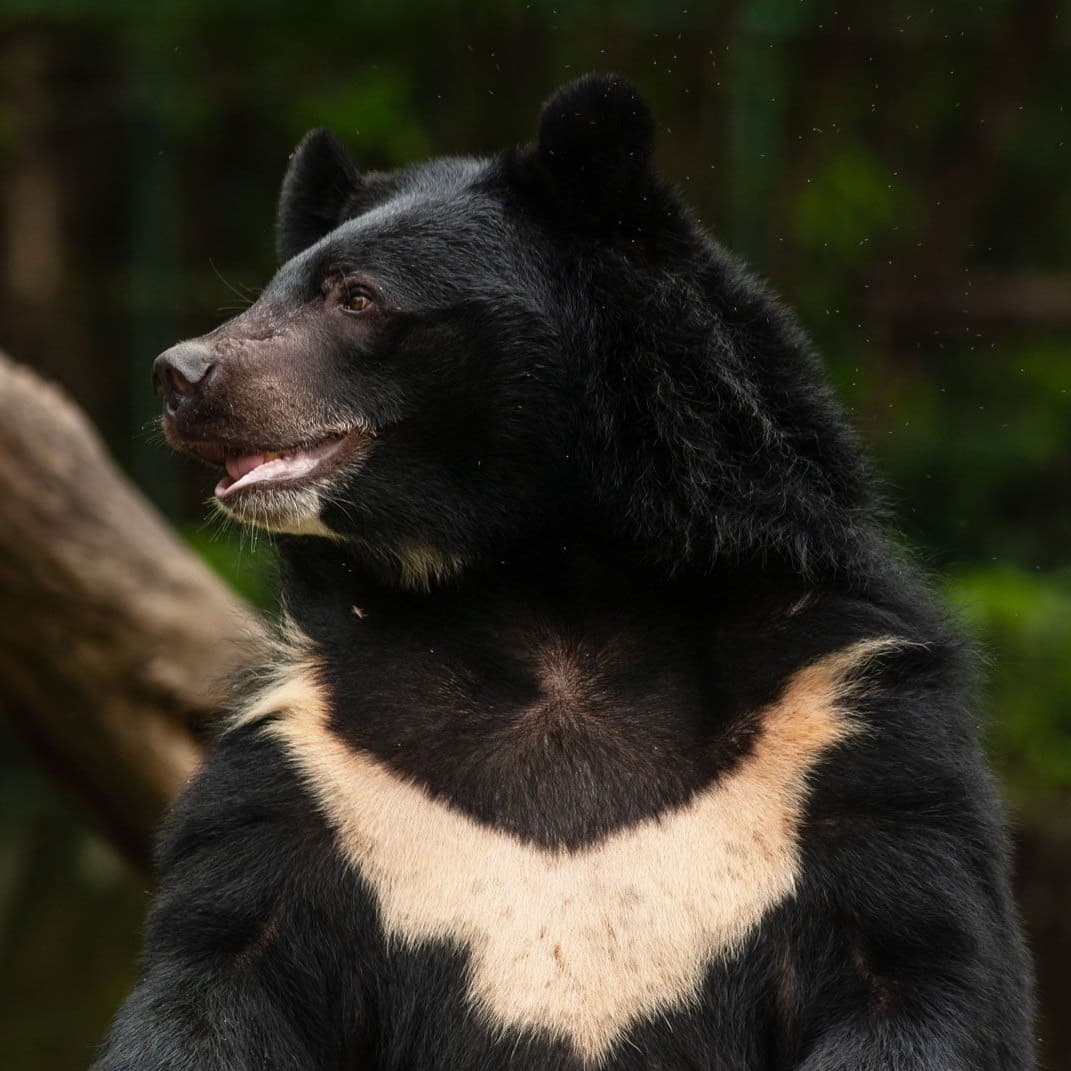 Vulnerable
Asiatic Black Bear
Ursus thibetanus
Moon Bear, Himalayan Black Bear +1
The Asiatic black bear, also known as the moon bear for the distinctive white crescent marking on its chest, is a medium-sized bear native to the forests of Asia from Iran to Japan. It is primarily herbivorous but is an opportunistic omnivore, and is notorious for its aggressive behaviour when encountered by humans. It is listed as Vulnerable due to hunting for its bile — used in traditional medicine — and habitat loss.
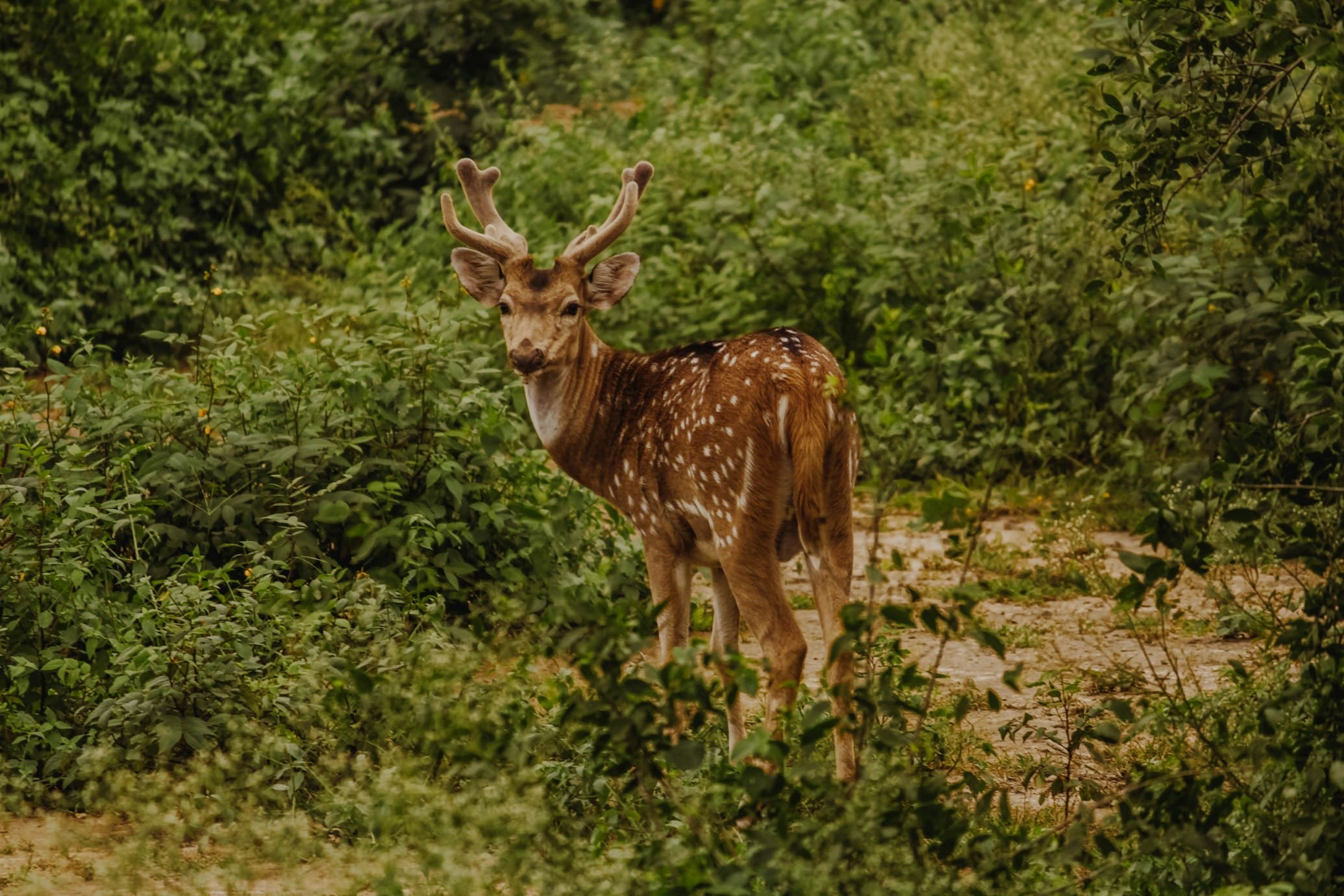 Vulnerable
Barasingha
Rucervus duvaucelii
Swamp Deer, Twelve-Tined Deer
The barasingha, or swamp deer, is a large deer species endemic to the Indian subcontinent and the state animal of Madhya Pradesh. Its name translates to 'twelve-tined' in Hindi, referring to the impressive antlers of adult males. Once widespread across the Indo-Gangetic plains, it now survives in just a few protected areas, most notably Kanha Tiger Reserve.
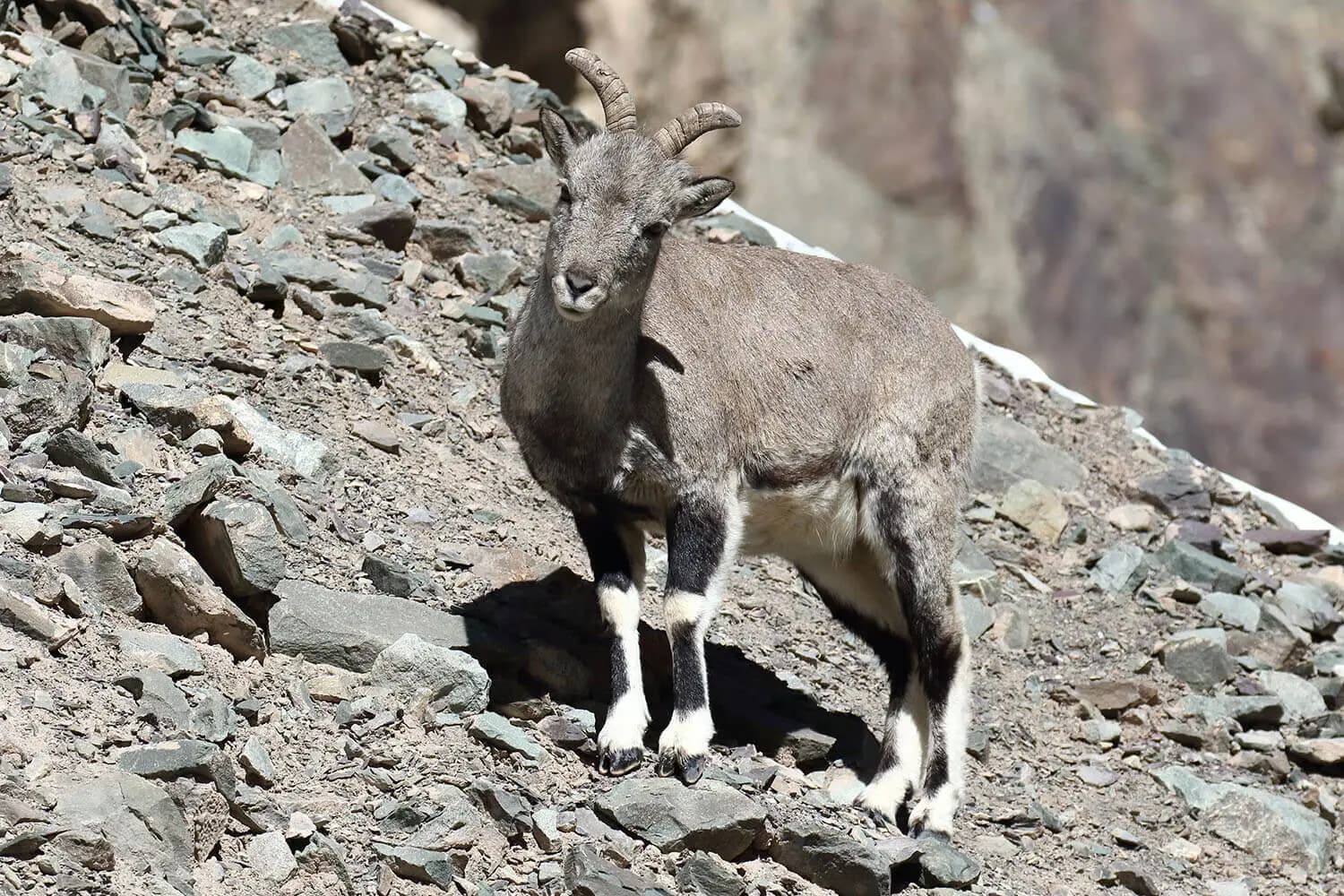 Least Concern
Bharal
Pseudois nayaur
Blue Sheep, Himalayan Blue Sheep +1
The bharal, or blue sheep, is a caprine — part goat, part sheep — native to the high-altitude Himalayan and Tibetan Plateau grasslands. Despite its common name, it is not a true sheep; its unique anatomy places it between sheep and goats in evolutionary terms. The bharal is the primary prey of the snow leopard and plays a crucial role in the high-mountain food web.
 Vulnerable
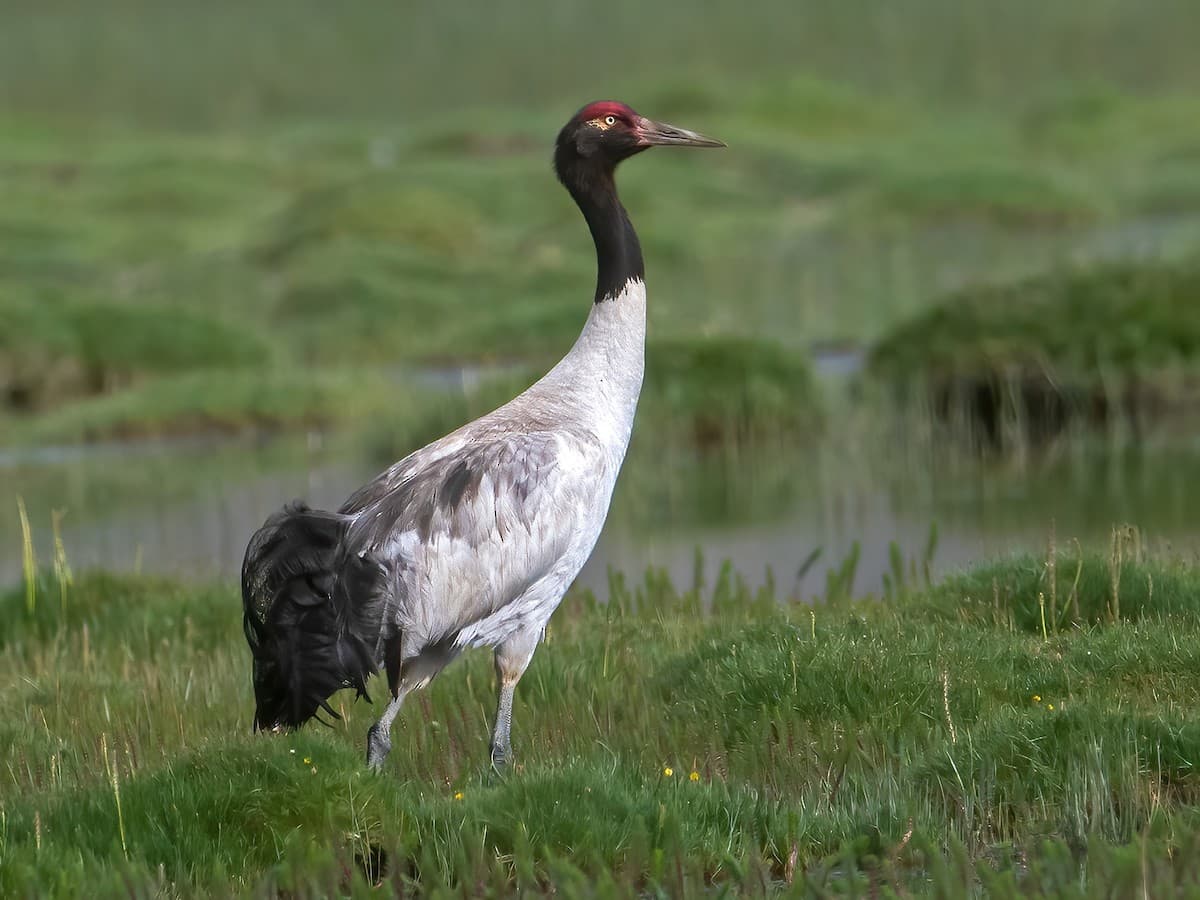
Black-necked Crane
Grus nigricollis
Tibetan Crane, Trung Trung
The black-necked crane is the last crane species to be scientifically described and the only one that breeds and winters in alpine environments. Found on the Tibetan Plateau and in the high-altitude valleys of Bhutan and Arunachal Pradesh, it holds deep spiritual significance in Buddhist culture and is the national bird of Bhutan. Classified as Vulnerable, it winters in the wetlands of Bhutan and Arunachal Pradesh.
 Least Concern
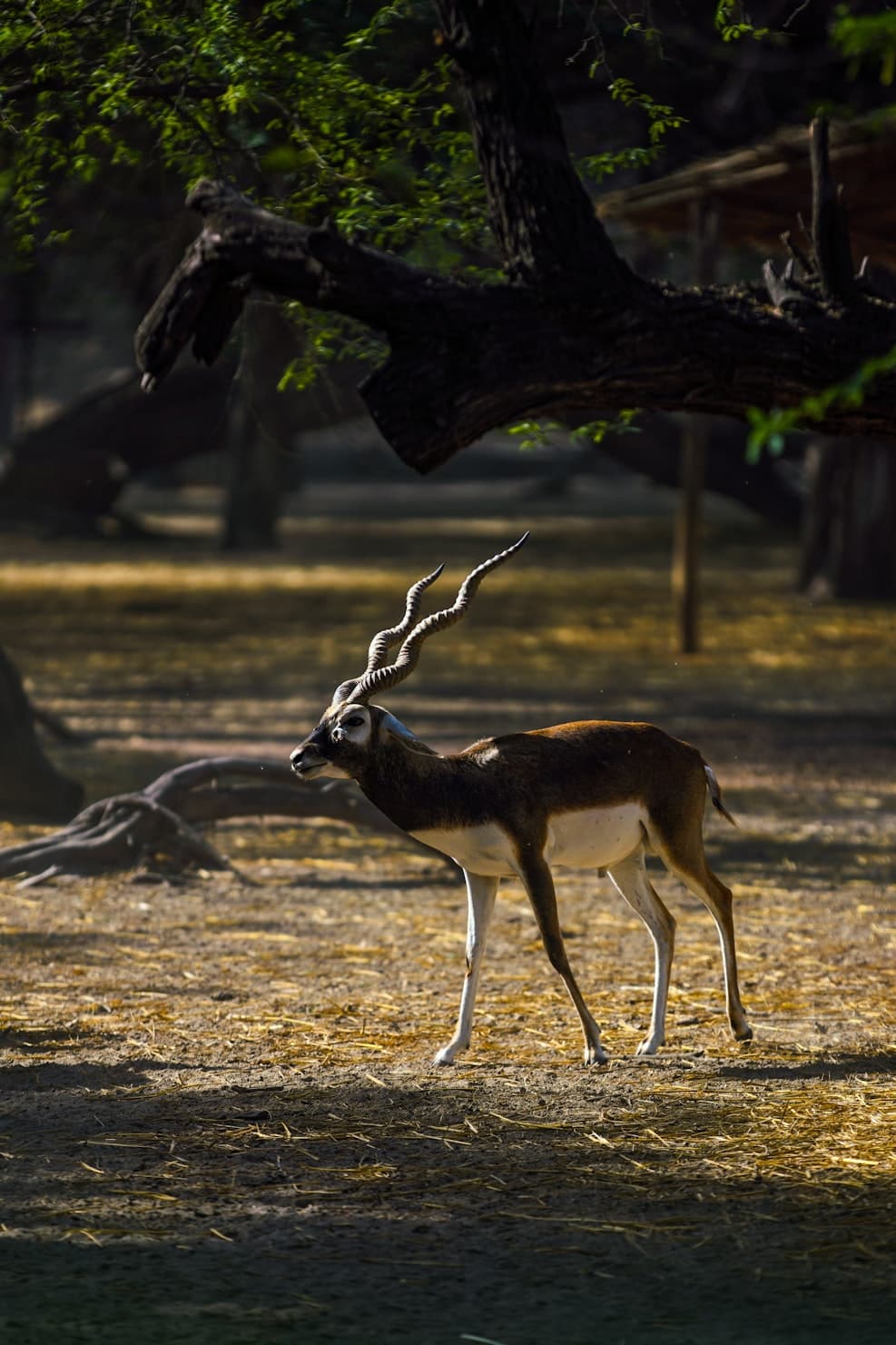
Blackbuck
Antilope cervicapra
Indian Antelope, Krishna Mrig
The blackbuck is an antelope native to the Indian subcontinent and one of the fastest land animals, capable of sustained speeds of 80 km/h. Adult males display a striking colour contrast — dark black upperparts and white underparts — while females and young are fawn-coloured. Once facing extinction due to overhunting, blackbuck populations have recovered substantially in India thanks to legal protection and community-based conservation.
 Vulnerable
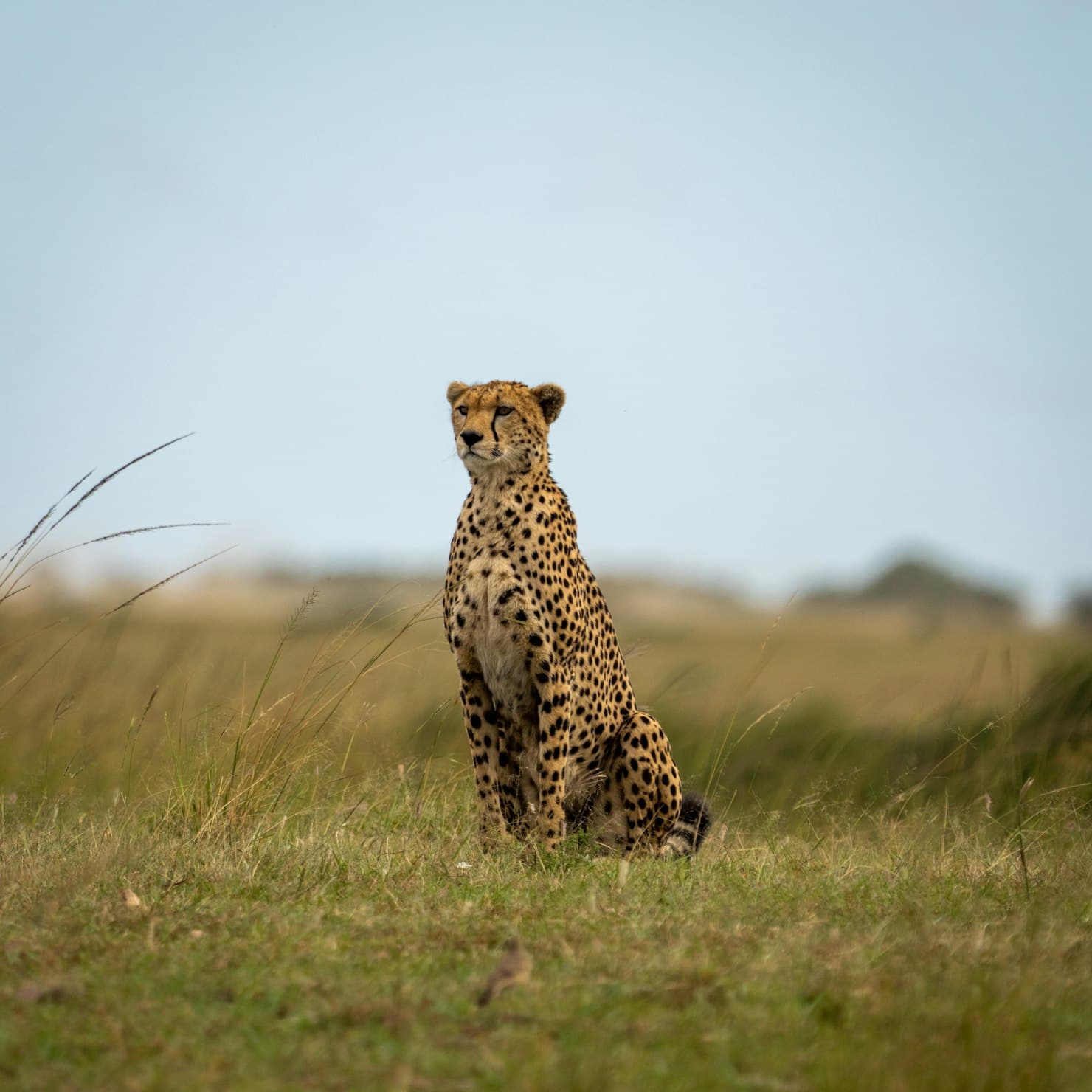
Cheetah
Acinonyx jubatus
African Cheetah, Asiatic Cheetah
The cheetah is the world's fastest land animal and one of the most distinctive big cats, recognised by its slender build, deep-keeled chest, and black tear stripes running from eye to mouth. Once widespread across India, the species was declared extinct in the country in 1952. In a landmark conservation effort, African cheetahs were reintroduced at Kuno National Park in Madhya Pradesh in 2022, giving the species a second chance on the Indian subcontinent.
 Least Concern
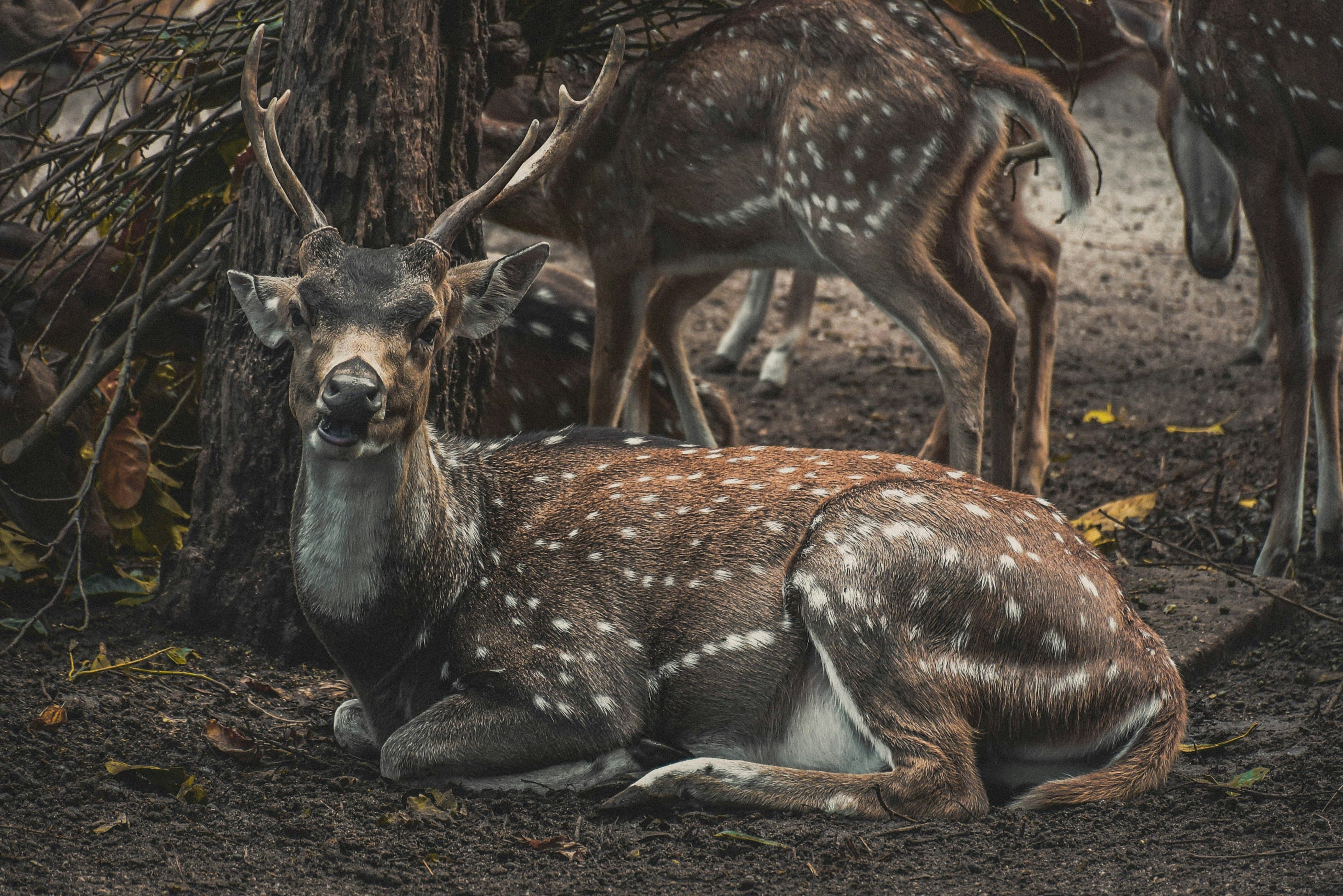
Chital
Axis axis
Spotted Deer, Axis Deer +1
The chital, or spotted deer, is the most abundant and widespread deer species in the Indian subcontinent and a keystone prey species for tigers and leopards. Easily identified by its bright rufous coat covered in white spots, the chital lives in herds in dry deciduous forests and grasslands. It has a commensal relationship with langur monkeys, often feeding on fruit dropped by the monkeys from the tree canopy.
 Vulnerable
Clouded Leopard
Neofelis nebulosa
Clouded Leopard
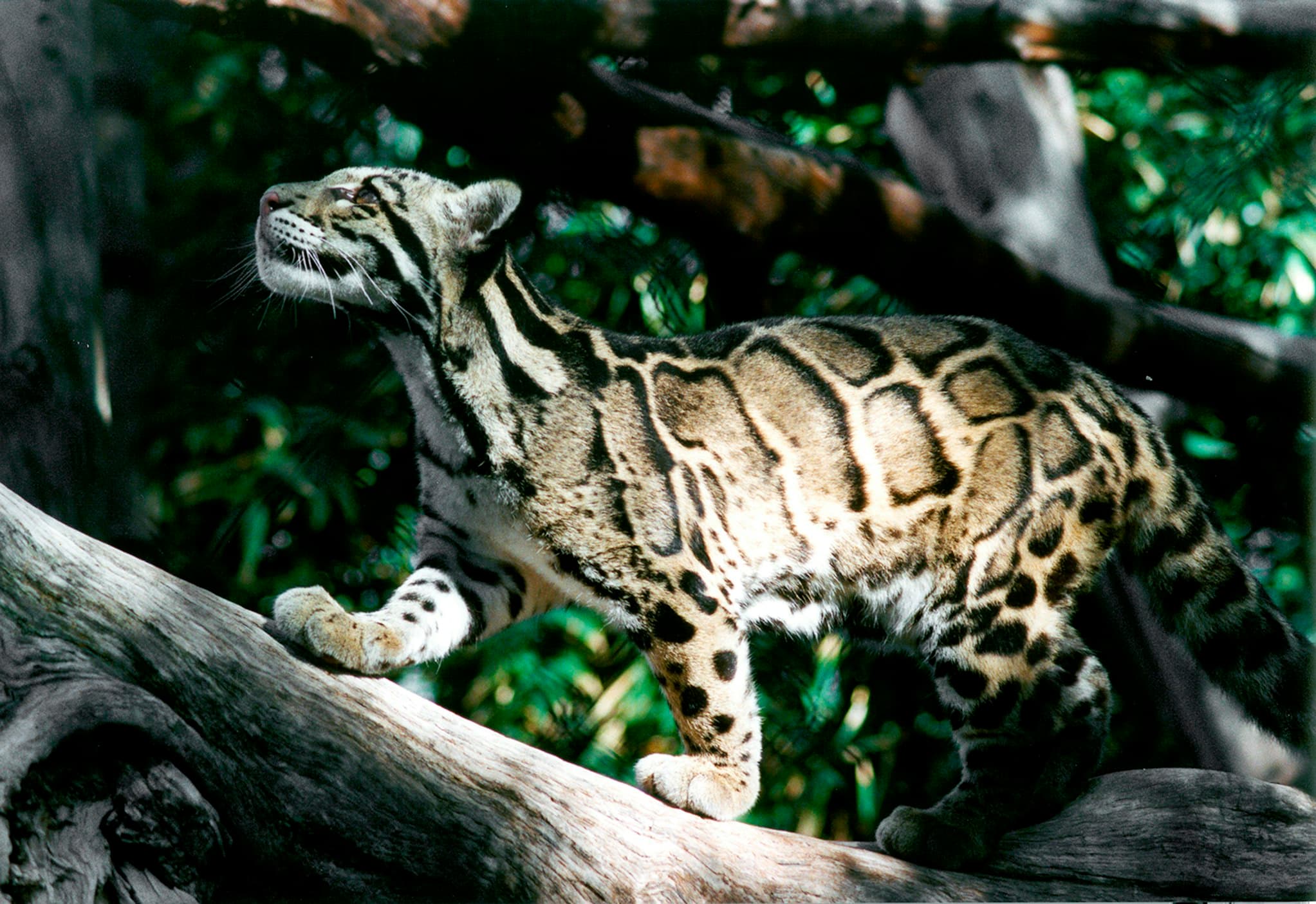
The clouded leopard is a wild cat native to the Himalayan foothills, Southeast Asia, and southern China. Named for its distinctive cloud-shaped spotted coat, it has the longest canine teeth relative to body size of any living felid and is sometimes called the 'modern-day sabre-tooth'. An accomplished climber, it can descend vertical tree trunks headfirst and hang upside-down from branches.
 Endangered
Dhole
Cuon alpinus
Indian Wild Dog, Asiatic Wild Dog +1
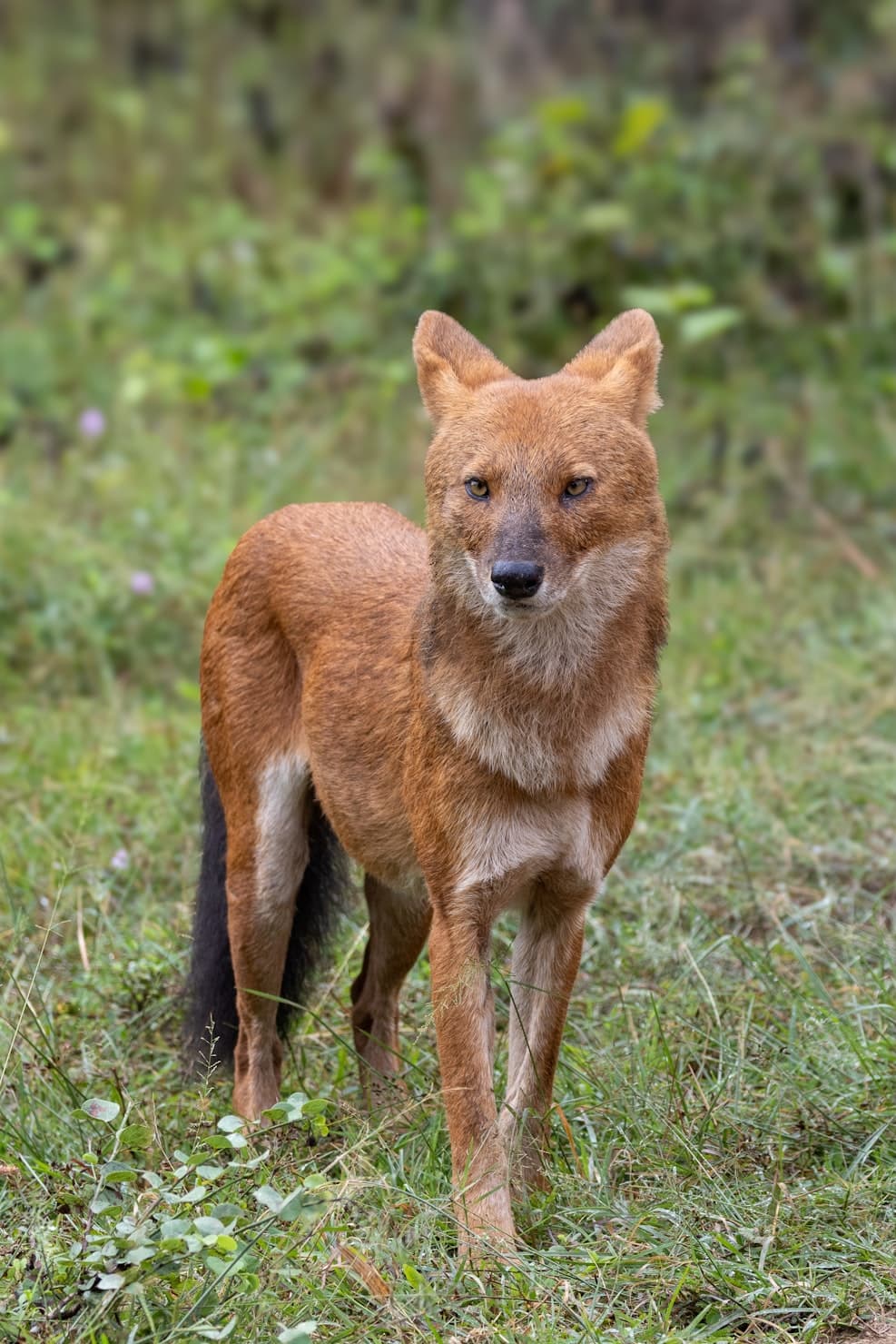
The dhole, or Indian wild dog, is a highly social pack-hunting canid native to Central, South, and Southeast Asia. Dholes are exceptional cooperative hunters capable of taking down prey many times their own size, including deer and gaur, by working in coordinated packs. Classified as Endangered, the dhole faces threats from habitat loss, prey depletion, and disease transmission from domestic dogs.
 Vulnerable
Fishing Cat
Prionailurus viverrinus
Bagh, Mach Bagh
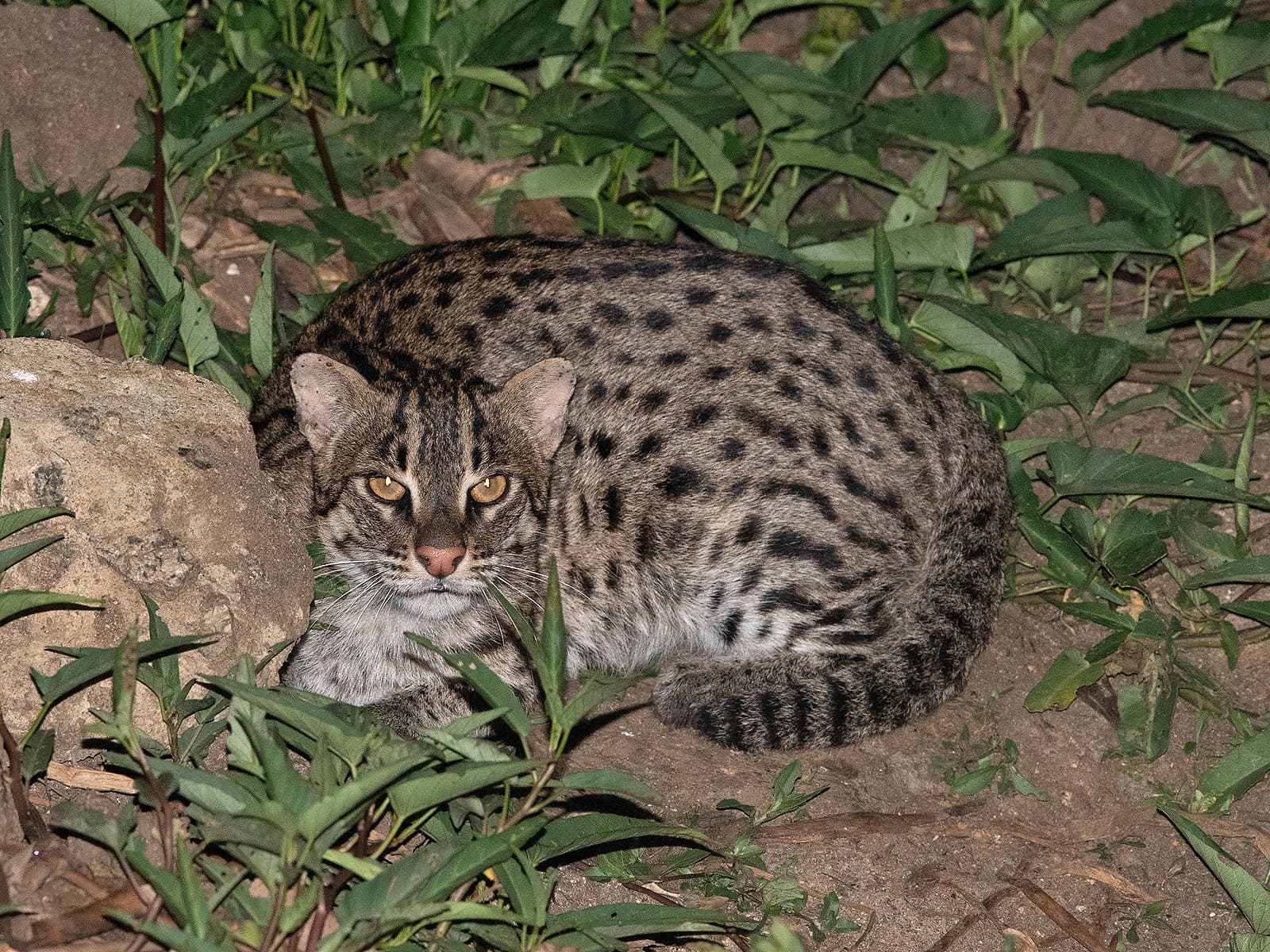
The fishing cat is a medium-sized wild cat strongly associated with wetlands — mangroves, marshes, rivers, and streams — across South and Southeast Asia. As its name suggests, it is an expert fisher, using its partially webbed paws to scoop fish from the water. Vulnerable to extinction, it has become a flagship species for wetland conservation in India and is particularly associated with the Sundarbans.
 Vulnerable
Four-horned Antelope
Tetracerus quadricornis
Chousingha, Chowsingha
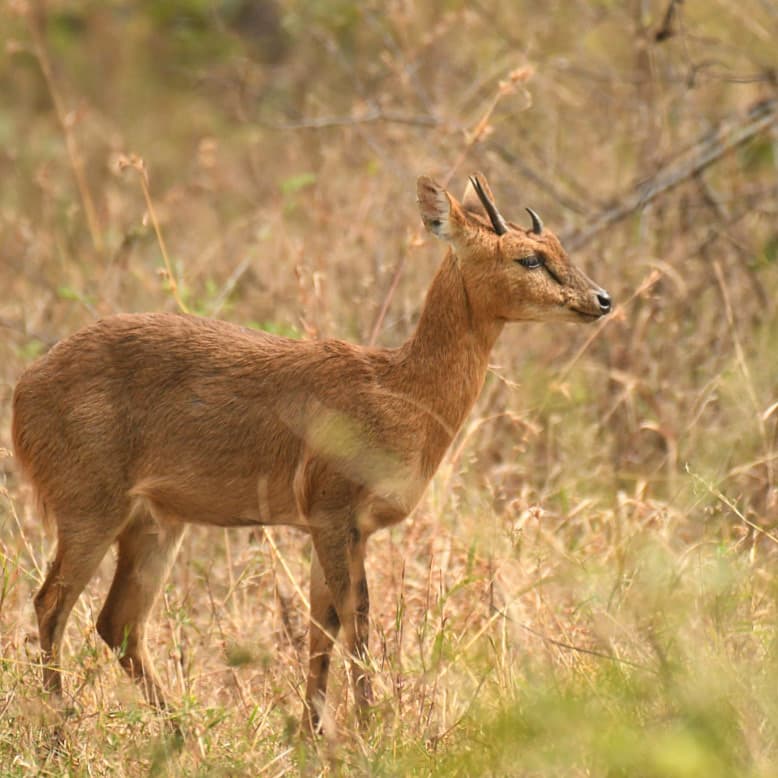
The four-horned antelope, or chousingha, is the only extant bovid with four horns and is endemic to the Indian subcontinent. It is the world's smallest two-horned antelope and is shy and solitary by nature, favouring dry deciduous forest with access to water. Classified as Vulnerable, it is dependent on well-protected forest habitat and is susceptible to predation by wolves, dholes, and leopards.
 Endangered
Gangetic Dolphin
Platanista gangetica
South Asian River Dolphin, Susu +1
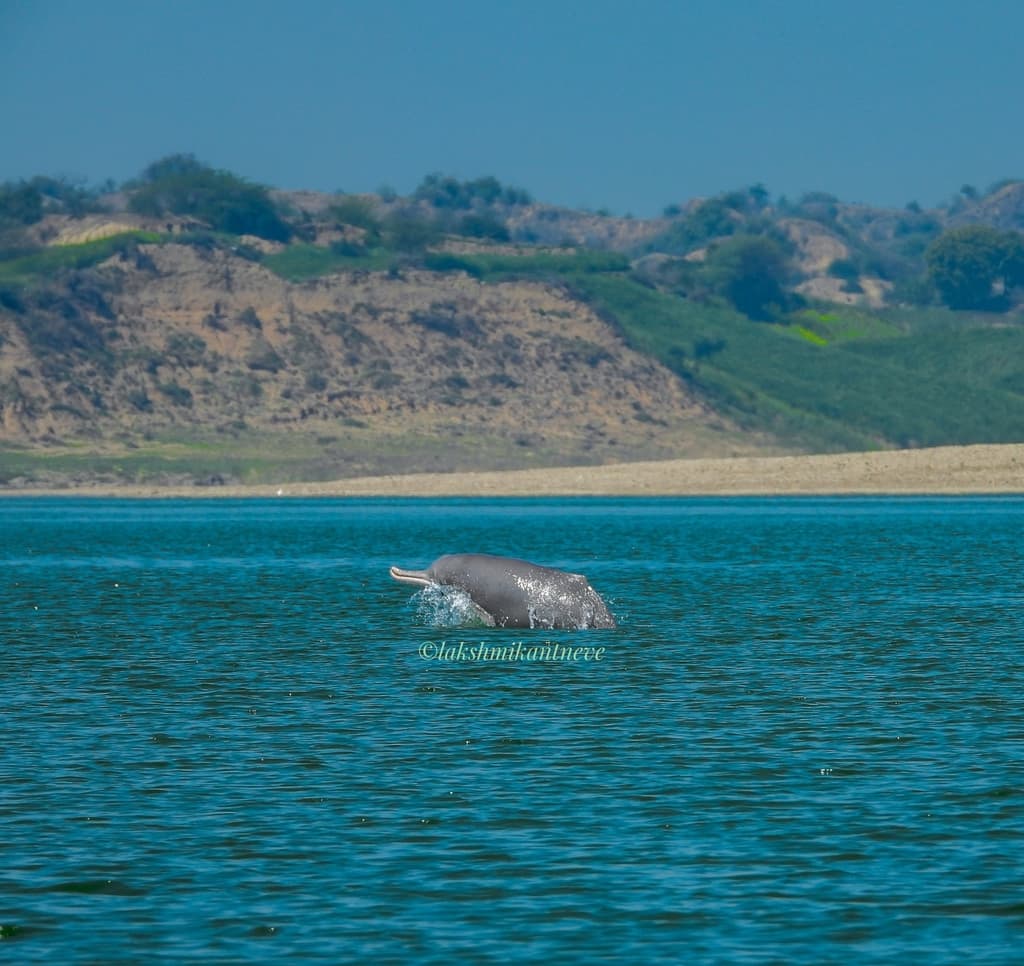
The Ganges river dolphin, also known as the susu, is one of the world's few freshwater dolphin species and the national aquatic animal of India. Nearly blind due to poorly developed eyes, it navigates and hunts entirely by echolocation in the murky waters of the Ganges-Brahmaputra river system. Listed as Endangered, it faces threats from river pollution, dams, fishing nets, and sand mining which degrade its riverine habitat.
 Critically Endangered
Gharial
Gavialis gangeticus
Gavial, Fish-Eating Crocodile +1
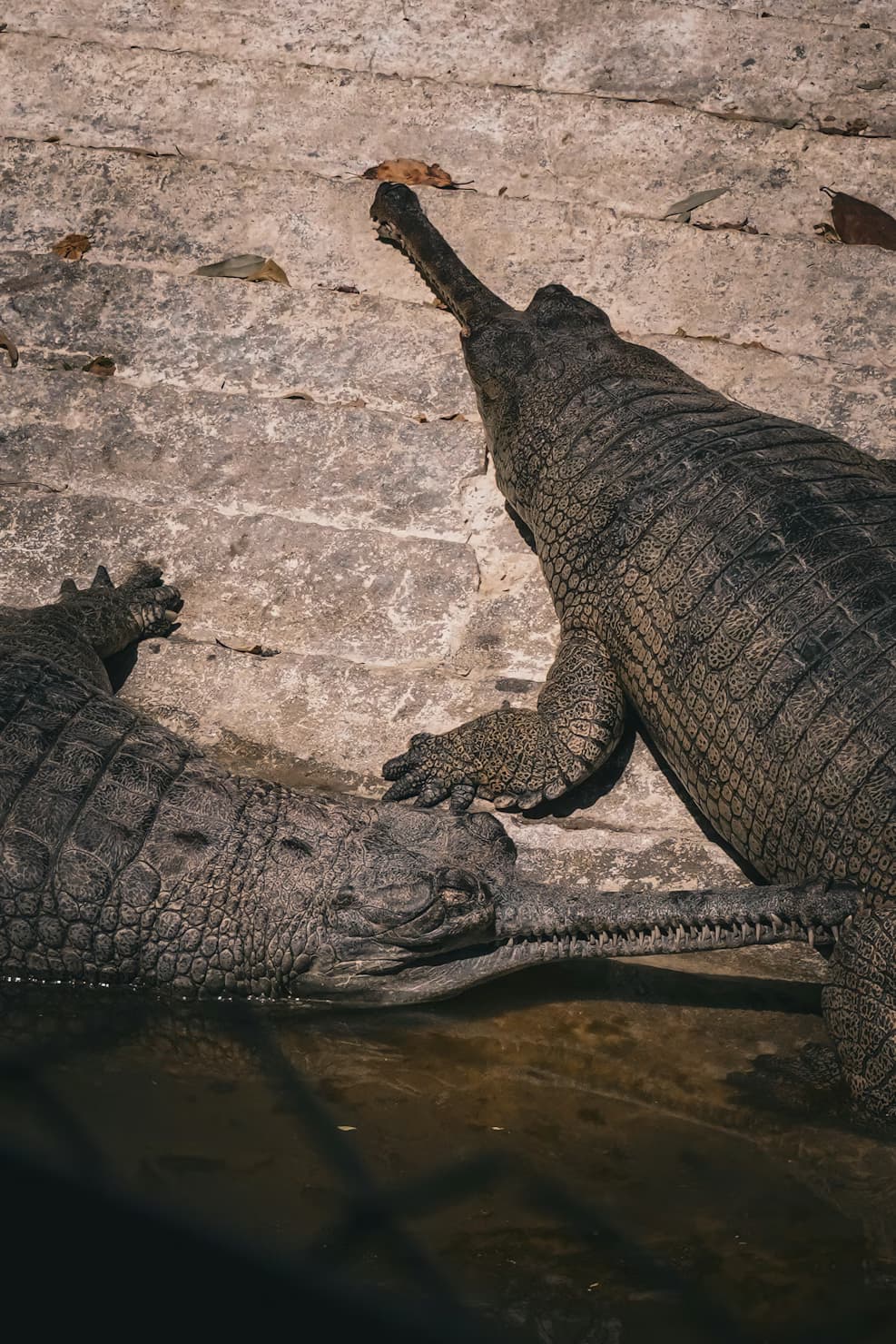
The gharial is one of the most critically endangered crocodilians in the world, with fewer than 300 mature individuals remaining in India and Nepal. Adapted to life in fast-flowing rivers with its long, narrow snout perfectly evolved for catching fish, the gharial is a specialist predator that cannot even walk on land — it can only push itself on its belly. Captive breeding and release programmes are the primary tool in its fight for survival.
 Endangered
Golden Langur
Trachypithecus geei
Gee's Golden Langur
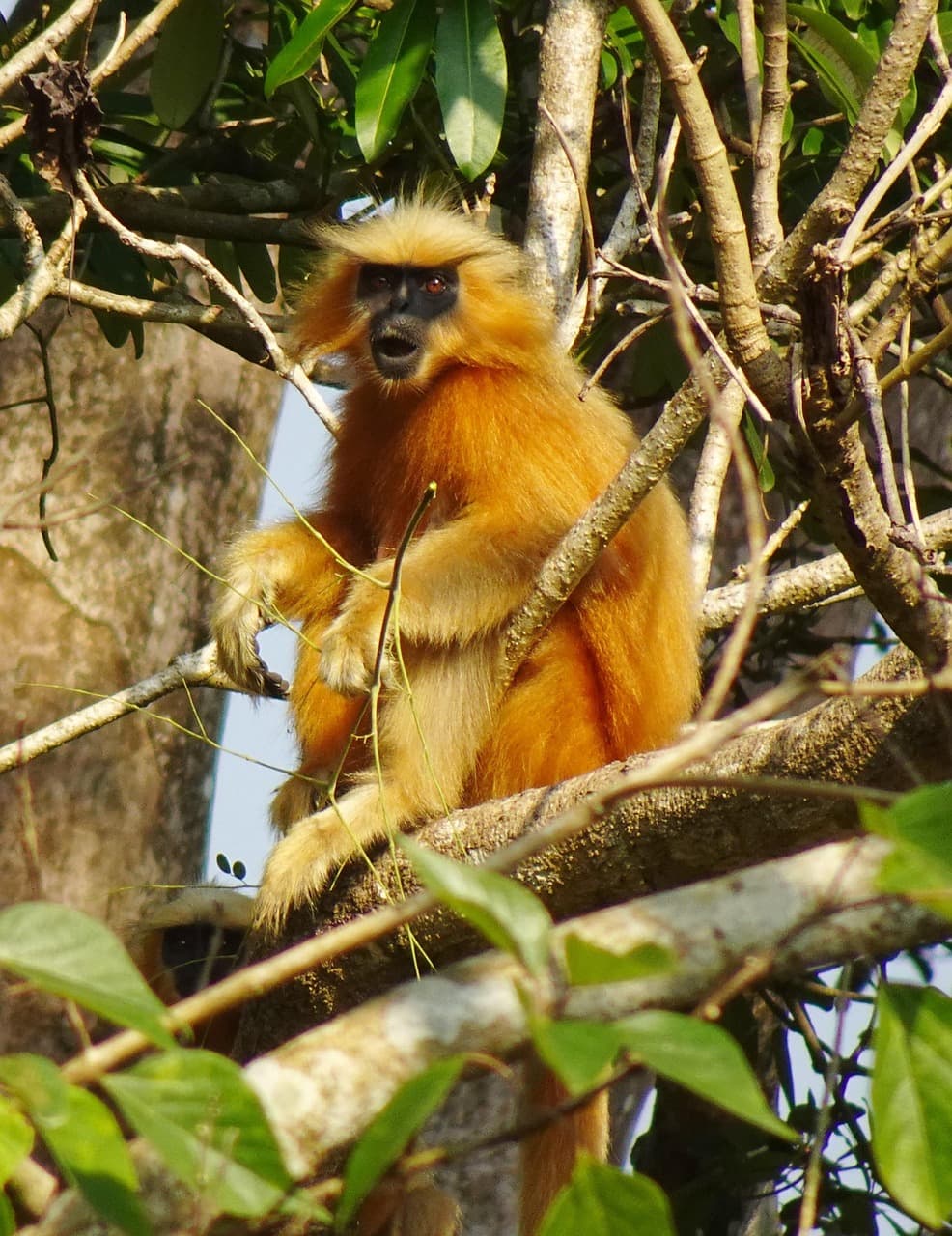
The golden langur is a strikingly beautiful Old World monkey found only in a small region of western Assam, India, and adjacent Bhutan. Its luxuriant golden coat — which deepens to a rich cream in winter — makes it one of the most visually distinctive primates in Asia. Listed as Endangered, it is sacred to local communities and is threatened by deforestation and habitat fragmentation.
 Endangered
Golden Mahseer
Tor putitora
Himalayan Mahseer, Tiger of the River
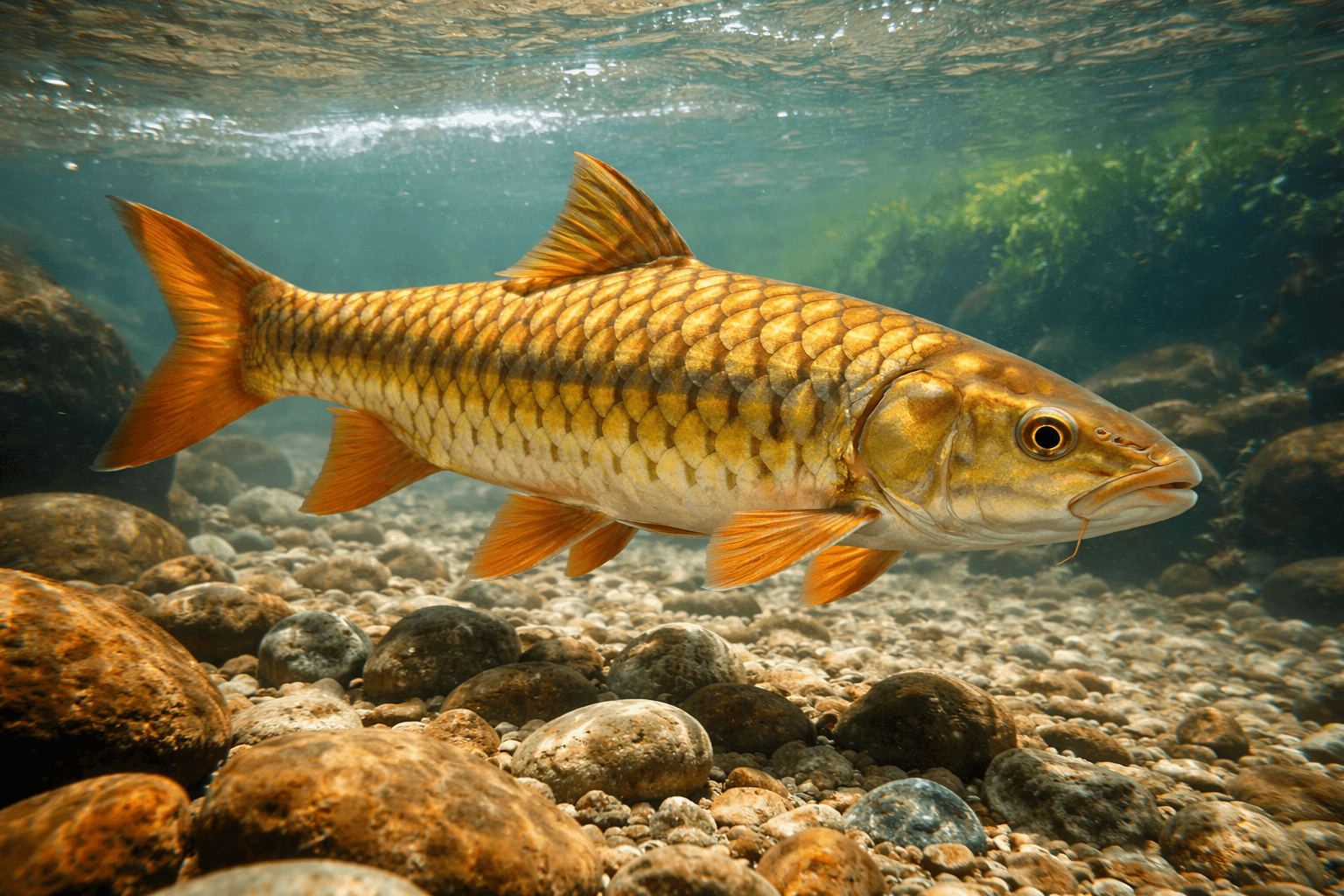
The golden mahseer is a large, powerful freshwater fish native to the fast-flowing rivers of the Himalayan foothills and the Indian subcontinent, considered the ultimate prize among South Asian sport fishers. Capable of exceeding 50 kg in large rivers, it feeds on algae, fruits, and invertebrates and plays a key role in river ecosystems as a seed disperser. Listed as Critically Endangered, it has declined drastically due to dam construction, overfishing, and river pollution.
 Critically Endangered
Great Indian Bustard
Ardeotis nigriceps
Great Indian Bustard, GIB
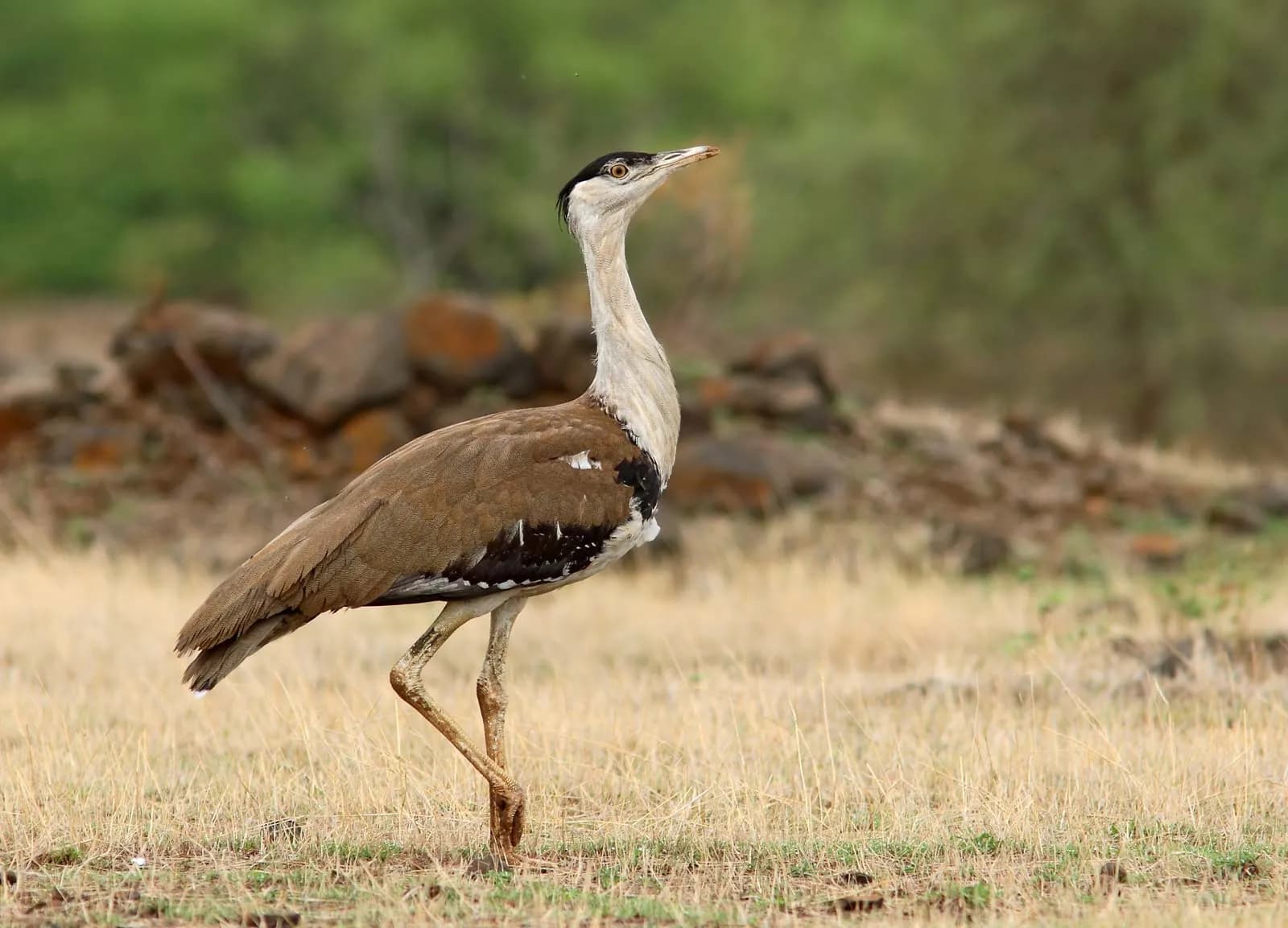
The great Indian bustard is one of the heaviest flying birds in the world and one of India's most critically endangered species, with fewer than 150 individuals remaining. A large ground-dwelling bird of the Indian grasslands and thorn scrub, it has declined catastrophically due to hunting, habitat conversion, and collision with power lines. Urgent conservation measures including captive breeding are now underway to prevent its extinction.
 Endangered
Himalayan Brown Bear
Ursus arctos isabellinus
Himalayan Red Bear, Dzu-Teh
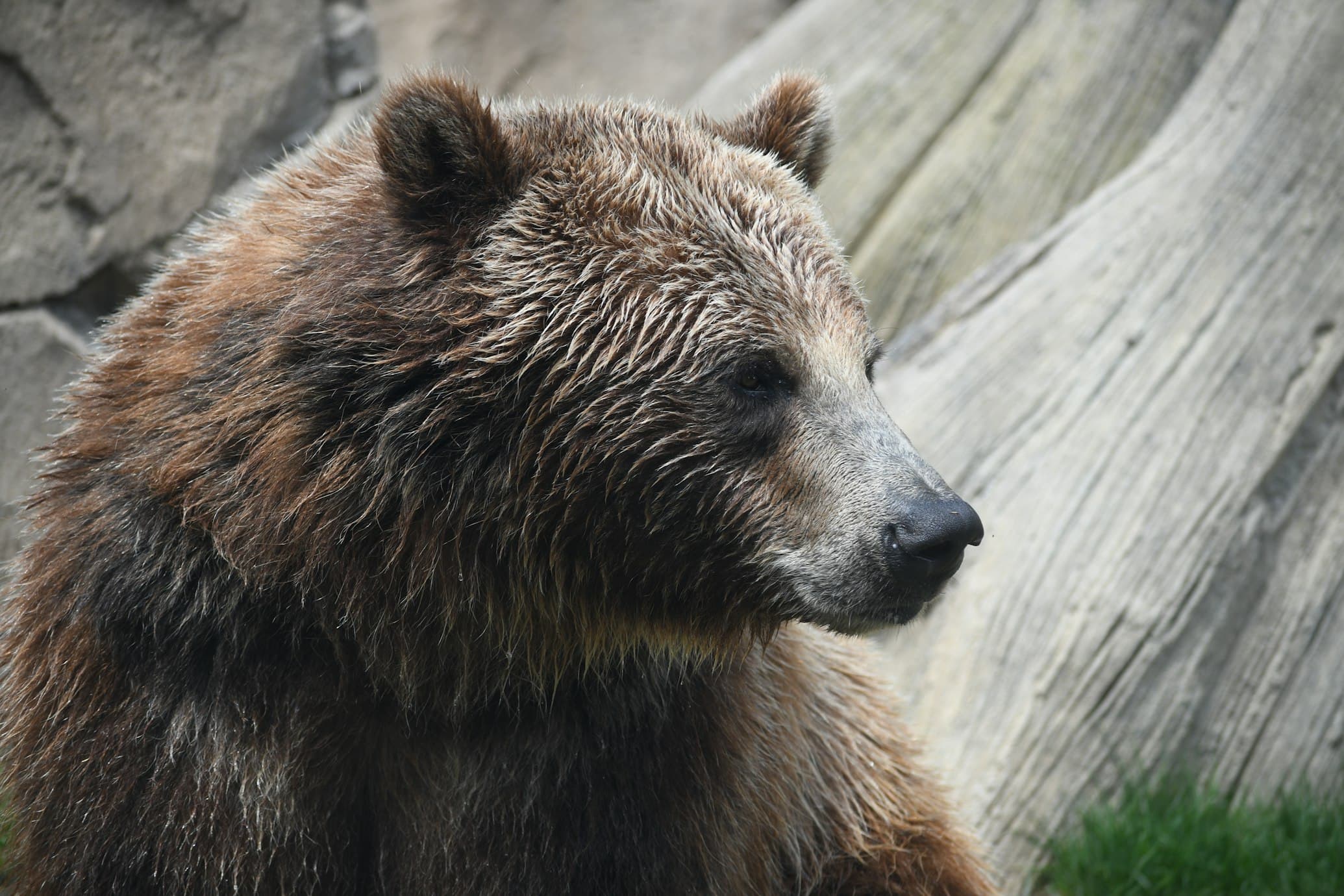
The Himalayan brown bear is one of the largest mammals in South Asia and a subspecies of brown bear found across the Himalayan ranges of India, Nepal, Pakistan, and China. As one of the top predators of the alpine zone, it plays an important role in regulating prey populations and dispersing seeds. Critically endangered in the region due to habitat loss and retaliatory killing, it is protected under Schedule I of India's Wildlife Protection Act.
 Least Concern
Indian Fox
Vulpes bengalensis
Bengal Fox
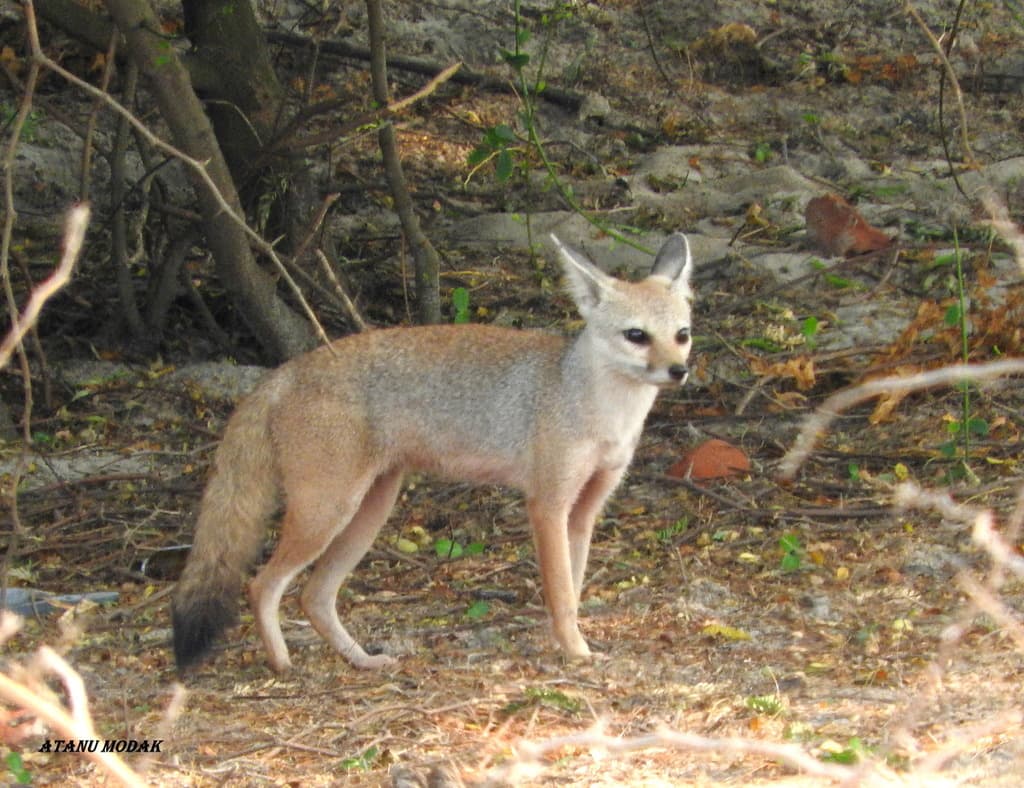
The Indian fox, or Bengal fox, is a small, slender fox endemic to the Indian subcontinent, found across the foothills of the Himalayas south through India. Its distinctively elongated, pointed muzzle, large ears, and bushy black-tipped tail make it easy to identify. It inhabits semi-arid grasslands, scrublands, and farmland edges, and is generally considered Near Threatened as native grasslands are converted to agriculture.
 Vulnerable
Indian Gaur
Bos gaurus
Gaur, Indian Bison +1
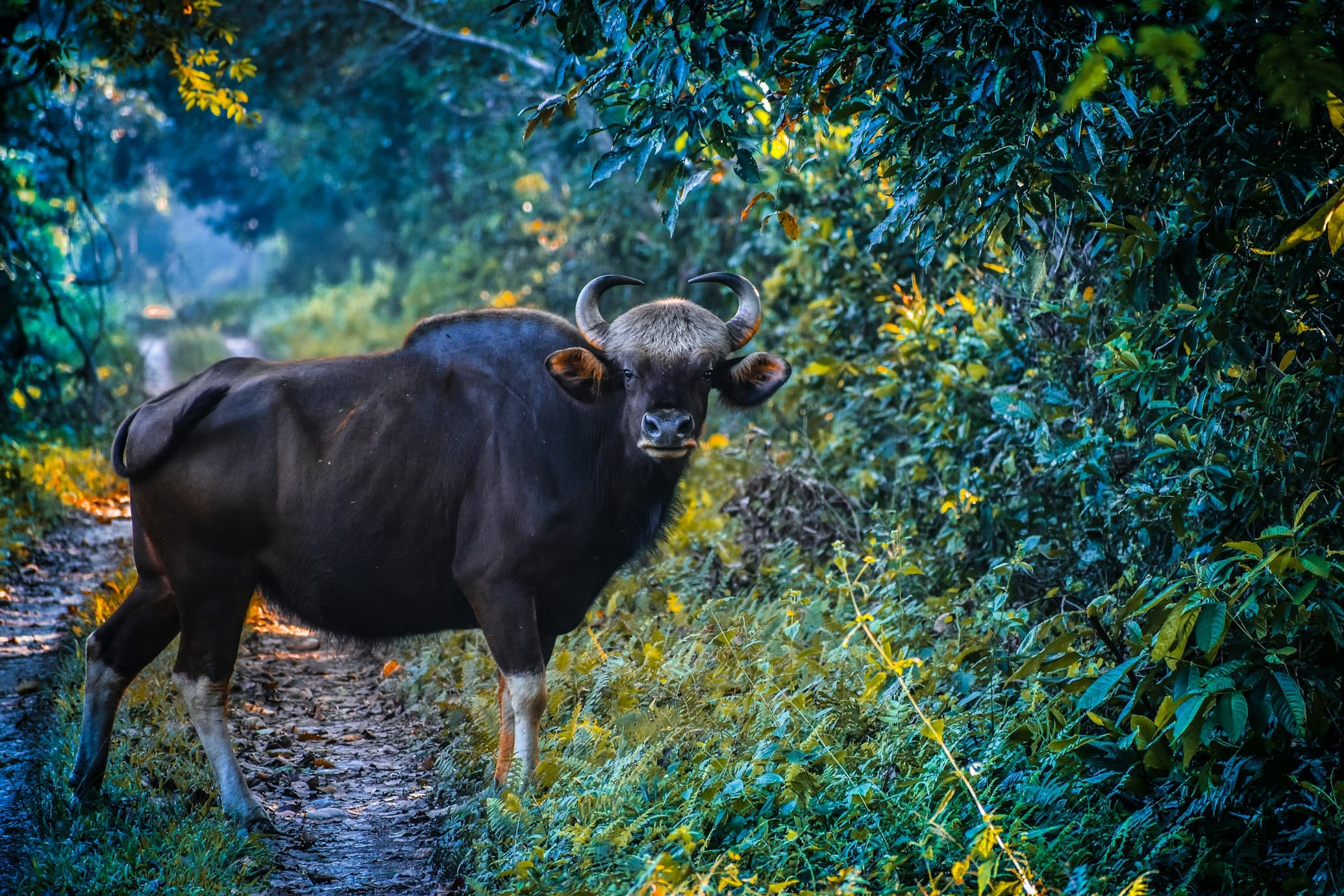
The Indian gaur, also known as the Indian bison, is the largest species of wild cattle in the world. A powerful, dark-coated bovine with white stocking-like feet, the gaur inhabits the hilly forests of South and Southeast Asia. Although it is listed as Vulnerable, it remains locally abundant in protected areas of India and is an important prey species for tigers and leopards.
 Least Concern
Indian Peafowl
Pavo cristatus
Peacock, Common Peafowl +1
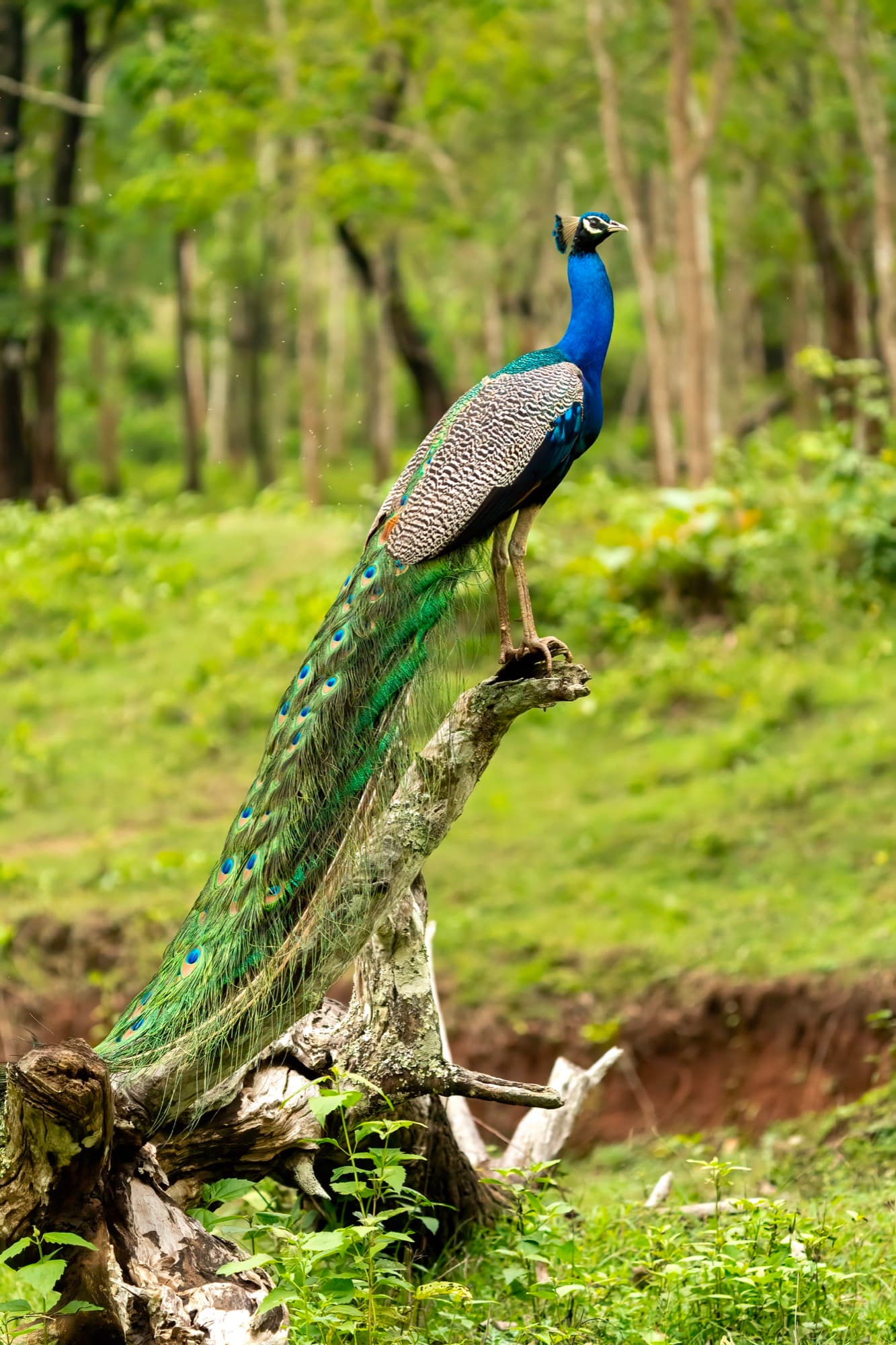
The Indian peafowl, commonly known as the peacock, is a large and brilliantly coloured bird native to the Indian subcontinent and the national bird of India. The male's extravagant iridescent tail — technically an 'upper tail covert' — can reach 1.5 metres long and is used in elaborate courtship displays. Peafowls are omnivorous and strongly associated with Indian forests, farmland, and temples.
 Vulnerable
Indian One-Horned Rhinoceros
Rhinoceros unicornis
Greater One-Horned Rhino, Indian Rhino
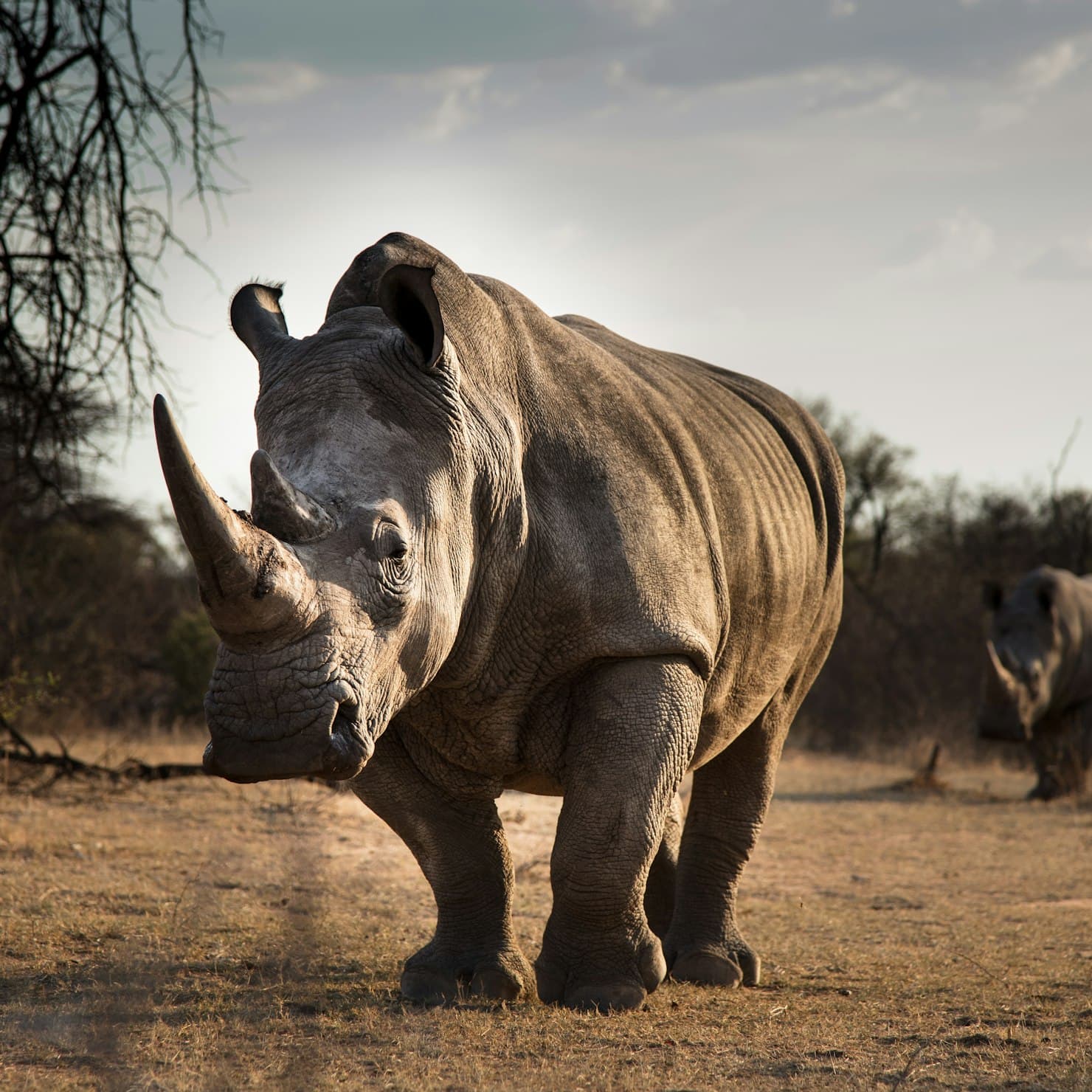
The Indian one-horned rhinoceros, or greater one-horned rhino, is the largest of the three Asian rhinoceros species. Once widespread across the Indo-Gangetic Plain, it was hunted to near-extinction by the early 20th century; targeted conservation in India and Nepal has helped populations recover to over 4,000 individuals today. It is found primarily in the tall grasslands and forests of northern India and Nepal.
 Vulnerable
Indian Rock Python
Python molurus
Indian Python, Black-Tailed Python
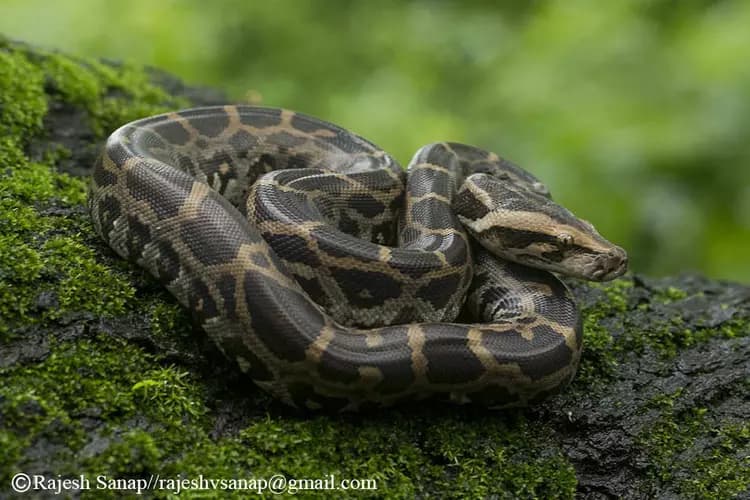
The Indian rock python is one of the largest snake species in the world, reaching lengths of up to 6 metres and capable of subduing prey as large as leopards and deer by constriction. Native to South Asia, it inhabits a wide range of habitats from rainforests to open grasslands and is a proficient swimmer. While listed as Vulnerable, it is under threat from hunting for its skin and meat and from habitat destruction.
 Endangered
Indian Skimmer
Rynchops albicollis
Indian Scissorbill
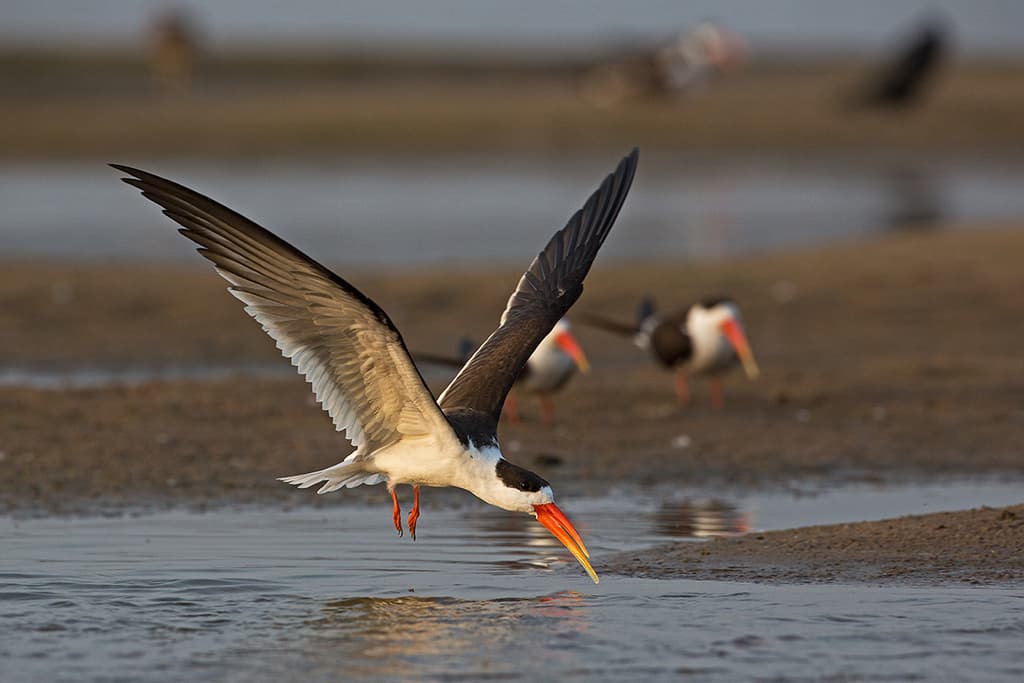
The Indian skimmer is a rare, tern-like bird with a unique lower mandible that is longer than the upper — an adaptation for its extraordinary feeding technique of flying low over water with the lower bill cutting the surface to catch fish. Listed as Vulnerable, it breeds on river sandbars in the Indian subcontinent and is threatened by sand mining, damming, and flooding of nesting sites from irrigation releases.
 Critically Endangered
Indian Vulture
Gyps indicus
Long-Billed Vulture, Indian Vulture
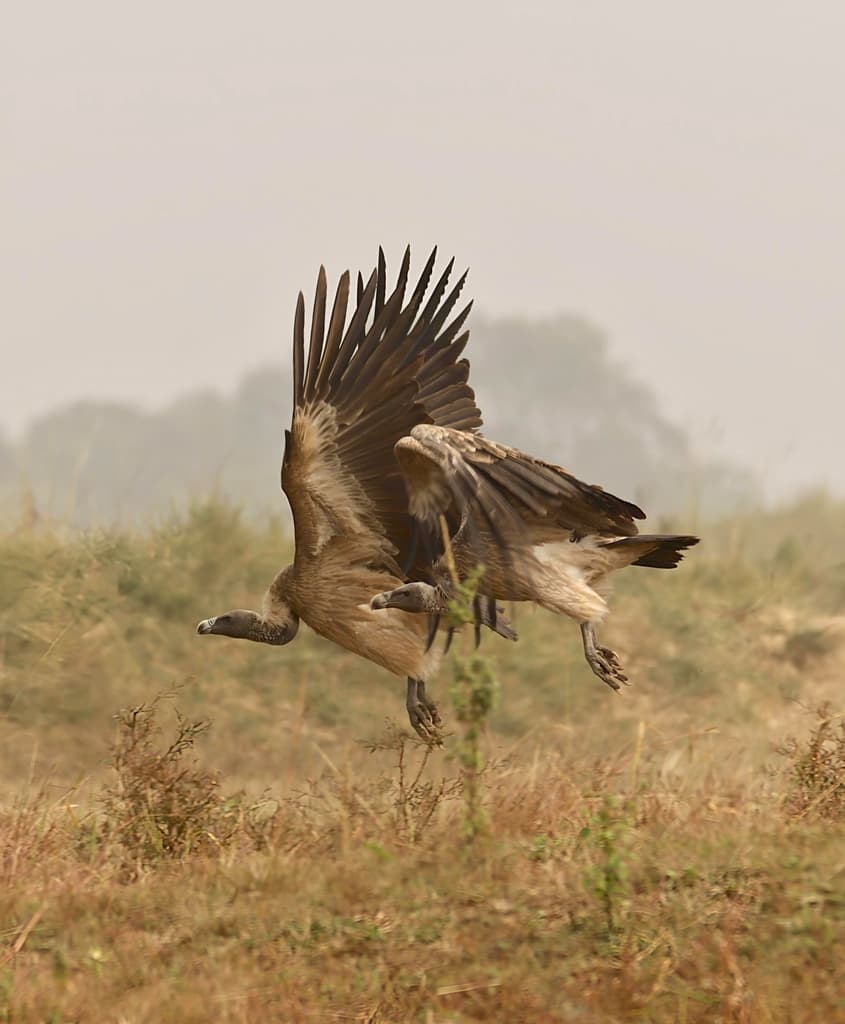
The Indian vulture is a large Old World vulture formerly abundant across the Indian subcontinent that underwent one of the most rapid population collapses in wildlife history — losing over 97% of its population within a decade in the 1990s. The cause was traced to diclofenac, a veterinary anti-inflammatory drug that causes fatal kidney failure in vultures that consume treated carcasses. Conservation measures including a diclofenac ban and captive breeding programmes have begun to stabilise numbers.
 Vulnerable
King Cobra
Ophiophagus hannah
King Cobra, Hamadryad
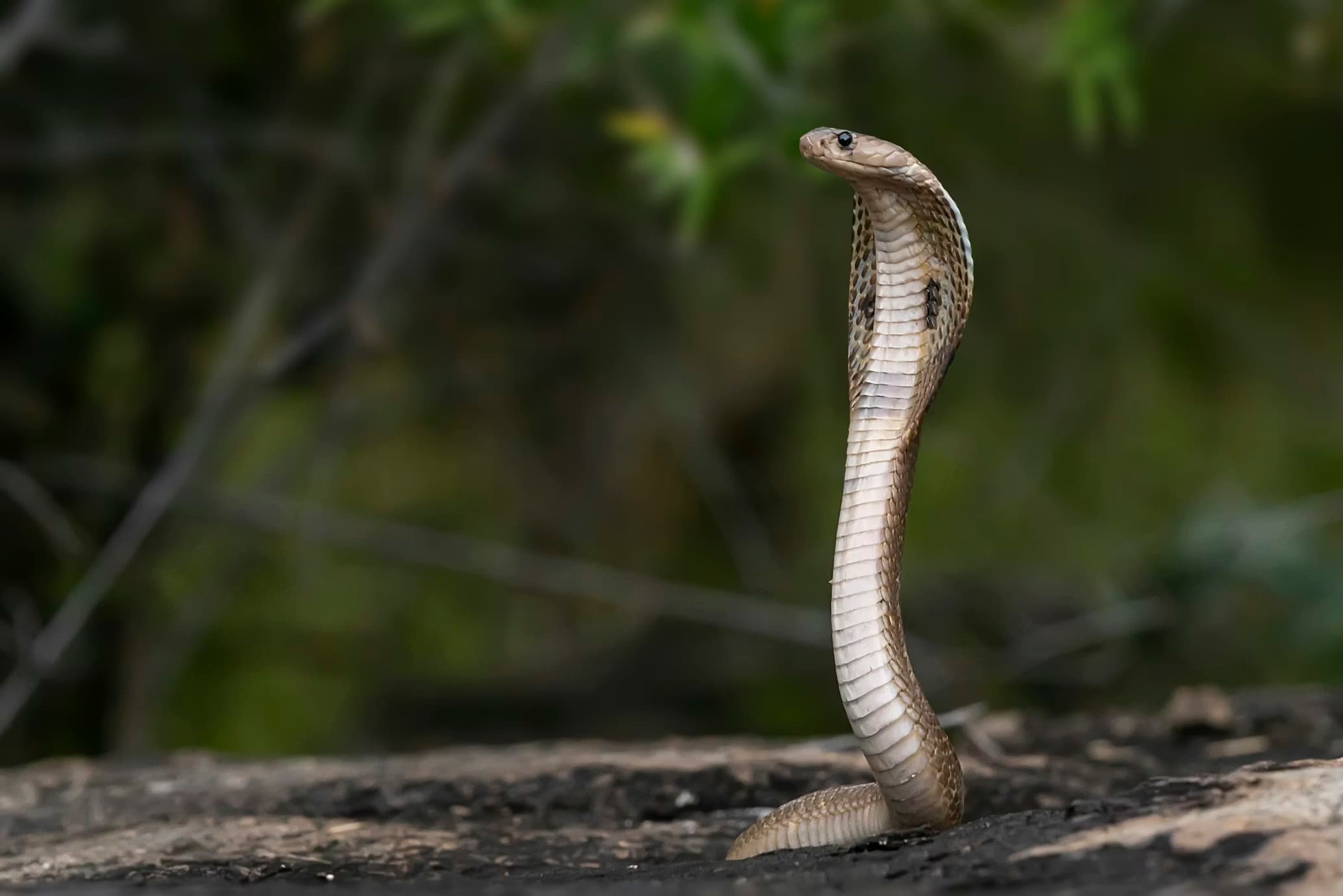
The king cobra is the world's longest venomous snake, capable of reaching 5.5 metres in length, and the only snake species known to build a nest for its eggs. Native to the forests of South and Southeast Asia, it feeds almost exclusively on other snakes. The king cobra is capable of raising the front third of its body off the ground while spreading its iconic hood — a display capable of looking a human directly in the eye.
 Vulnerable
Leopard
Panthera pardus
Leopard, Panther (melanistic)
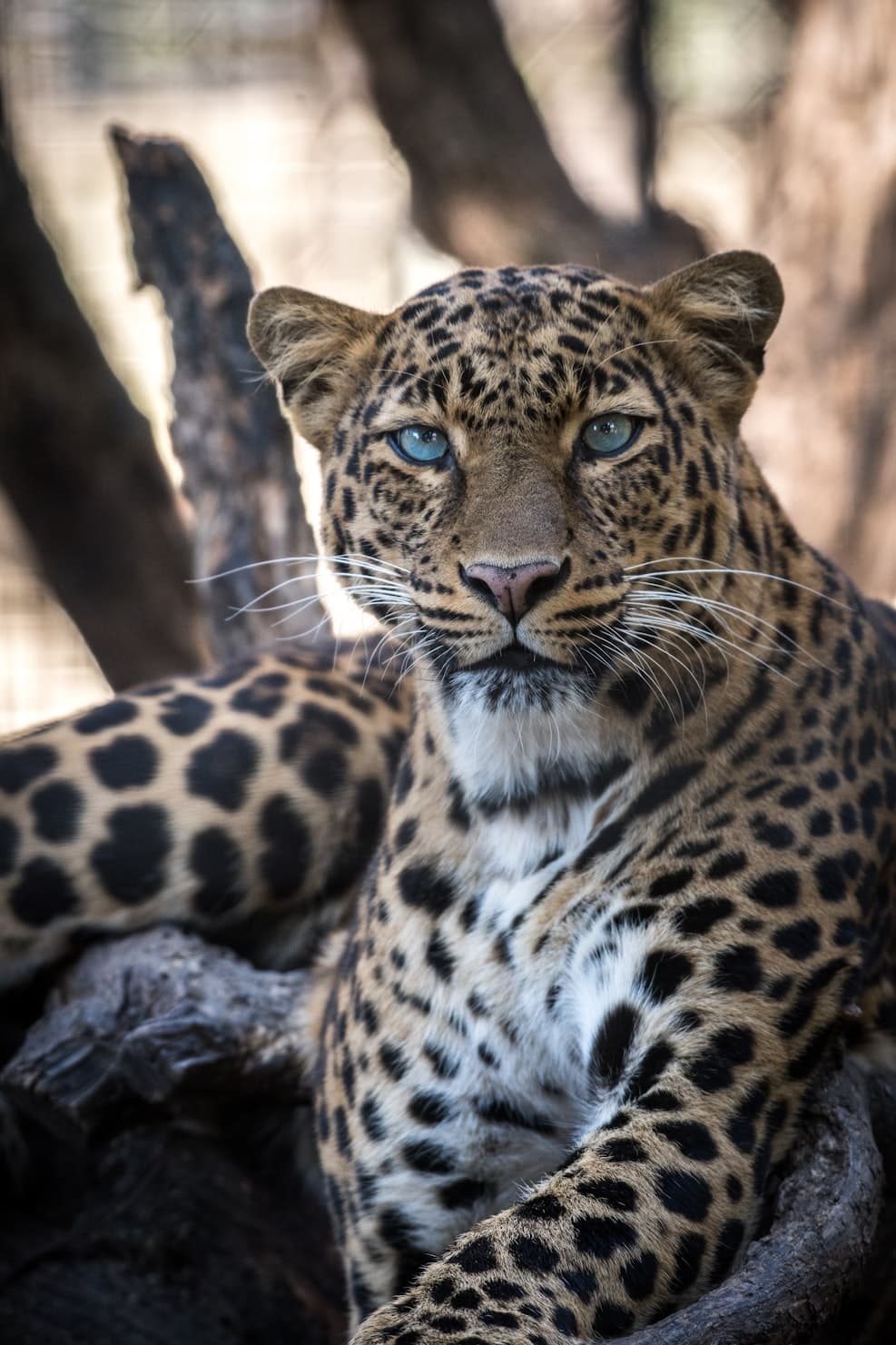
The leopard is one of the most adaptable big cats, found across a vast range spanning sub-Saharan Africa, the Middle East, and South and Southeast Asia. Renowned for its strength and agility, the leopard regularly hauls large prey up into trees to keep it safe from scavengers. Its spotted coat provides near-perfect camouflage in dappled forest light.
 Endangered
Lesser Florican
Sypheotides indicus
Likh, Kharmore
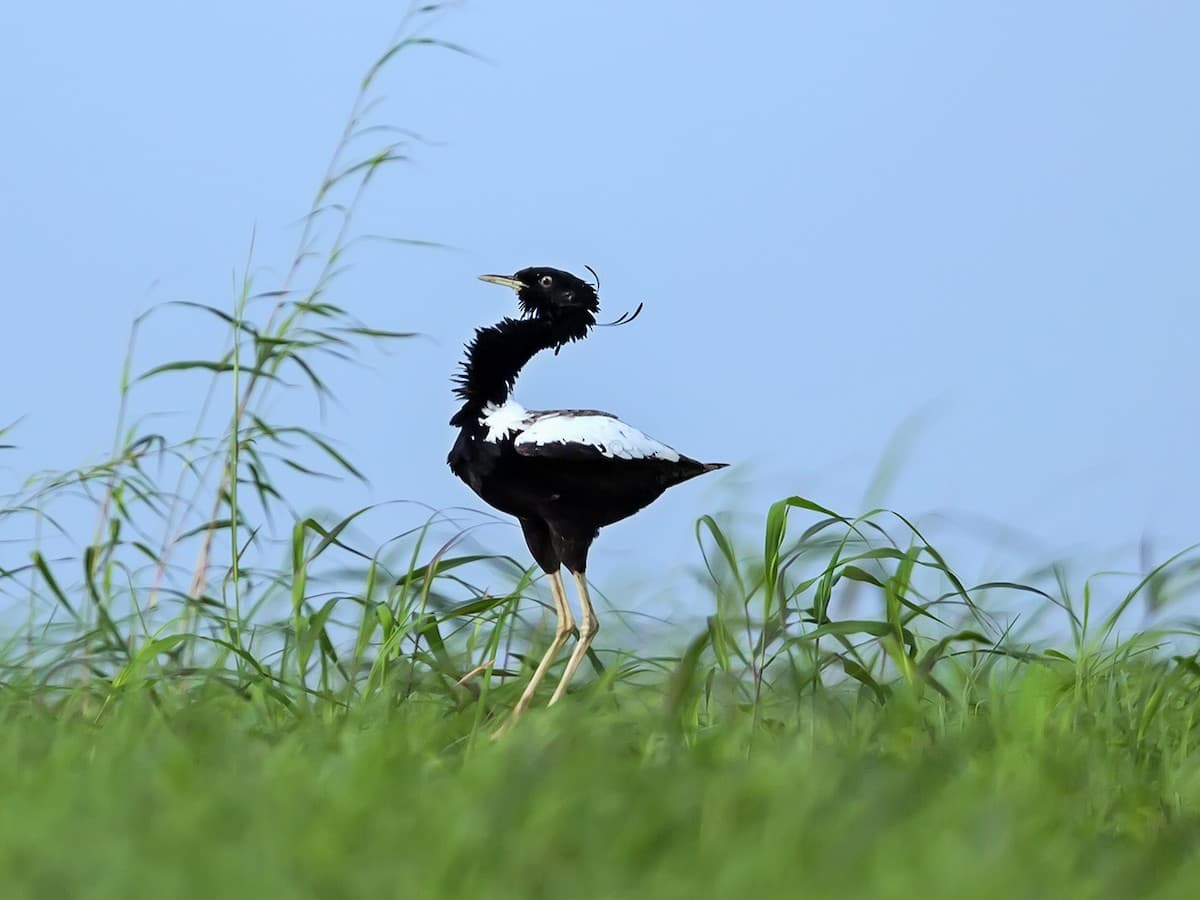
The lesser florican is a highly endangered bustard species endemic to the Indian subcontinent, known for the spectacular jumping display of breeding males — repeatedly leaping above the grass with their distinctive black-and-white plumage. Classified as Endangered, with a population estimated at fewer than 1,000, it is one of India's most threatened birds. It breeds in the tall grasslands of Rajasthan, Madhya Pradesh, and Gujarat, habitats that have been heavily converted to agriculture.
 Vulnerable
Lion
Panthera leo
African Lion, King of the Jungle
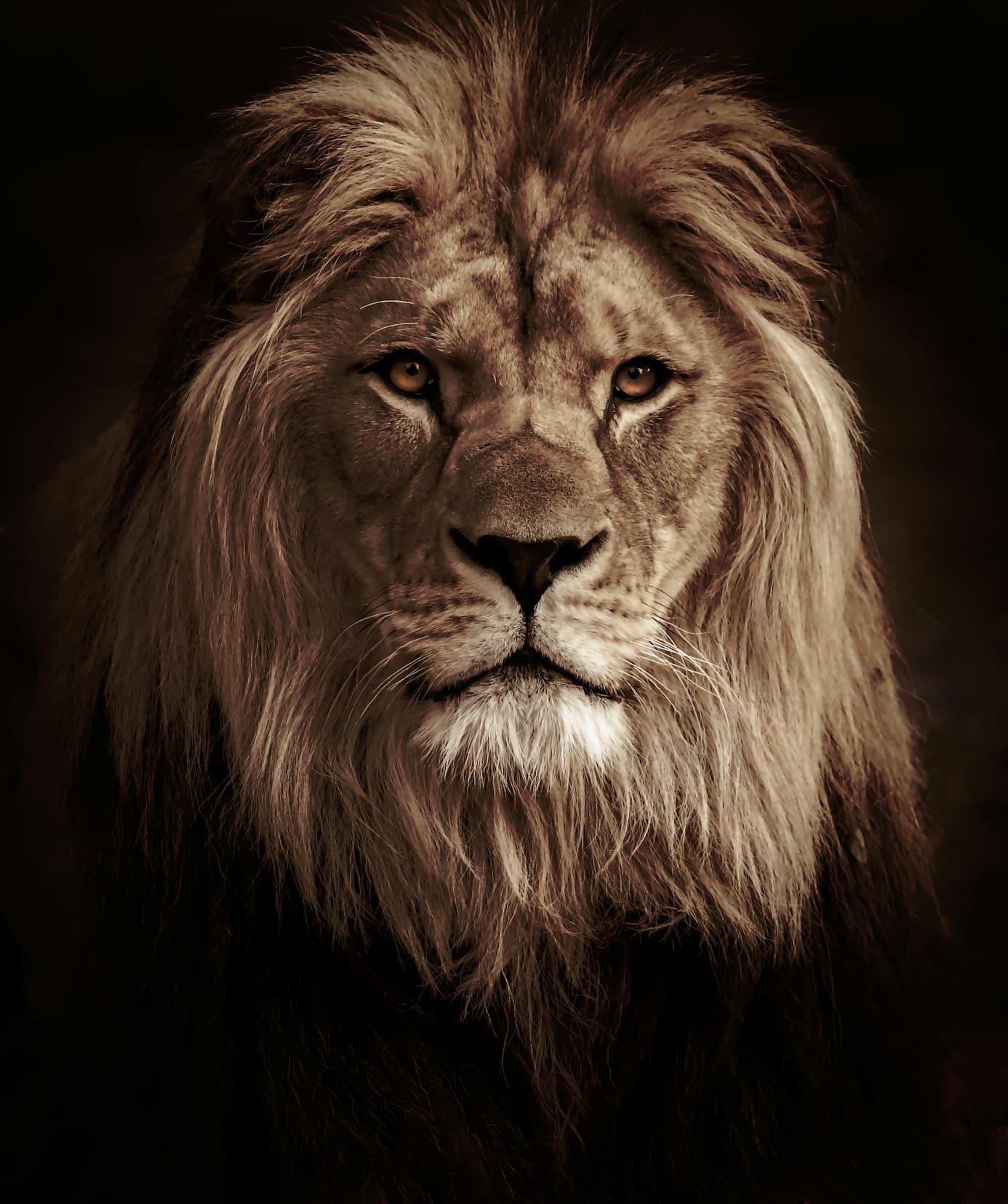
The lion is the second-largest cat species in the world and the only one where males and females look distinctly different. Native to sub-Saharan Africa and the Gir Forest of India, lions are uniquely social among big cats, living in groups called prides. They are apex predators that play a vital role in regulating prey populations across savanna ecosystems.
 Endangered
Lion-Tailed Macaque
Macaca silenus
Lion-Tailed Macaque, Wanderoo
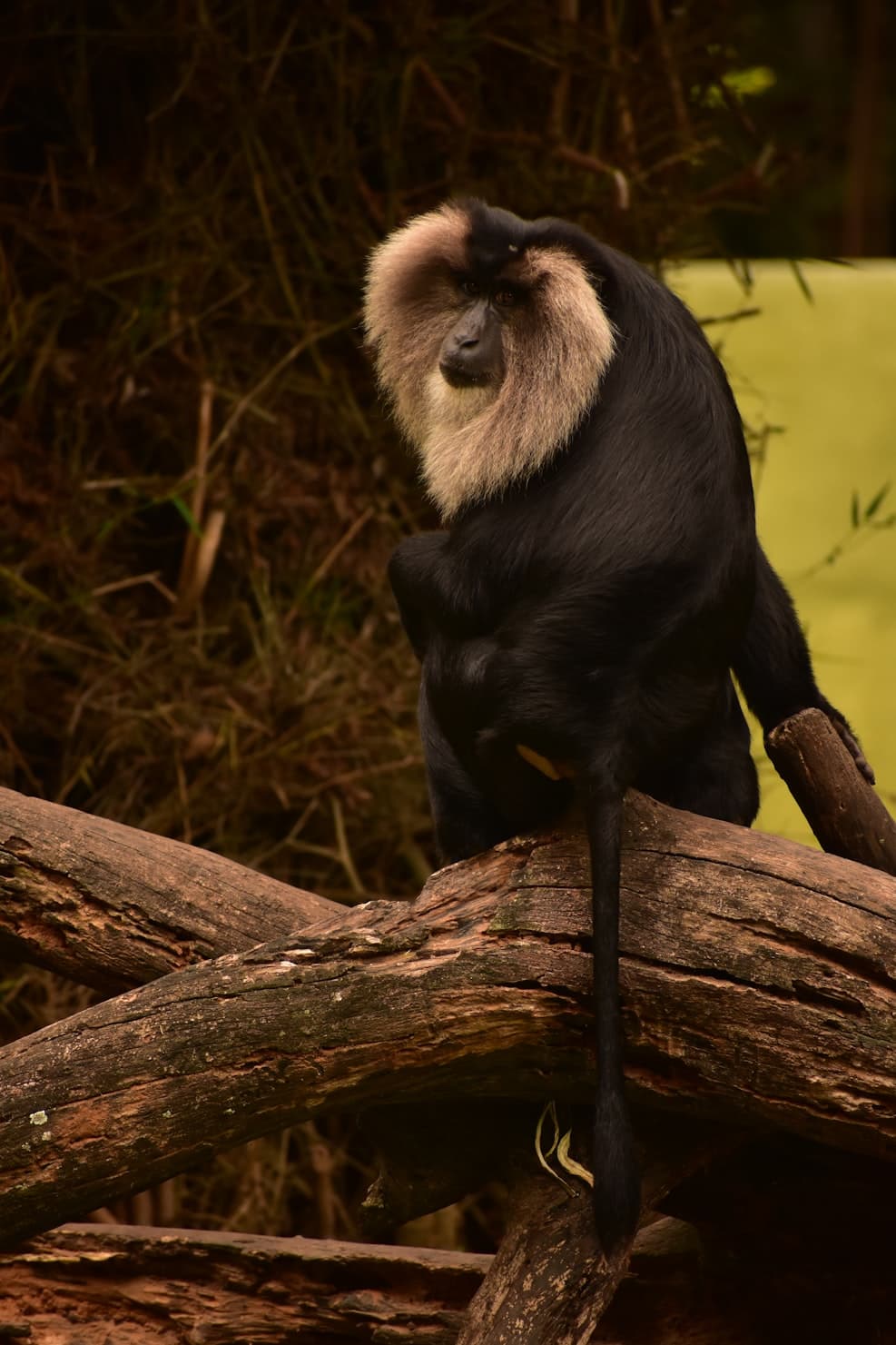
The lion-tailed macaque is a striking Old World monkey endemic to the rainforests of the Western Ghats in India, named for its grey, lion-like tail tuft. It is one of the most endangered primates in the world, with fewer than 2,500 individuals surviving in fragmented forest patches. Highly arboreal and shy, it rarely ventures to the ground and is considered a flagship species for Western Ghats conservation.
 Vulnerable
Mugger Crocodile
Crocodylus palustris
Marsh Crocodile, Broad-Snouted Crocodile +1
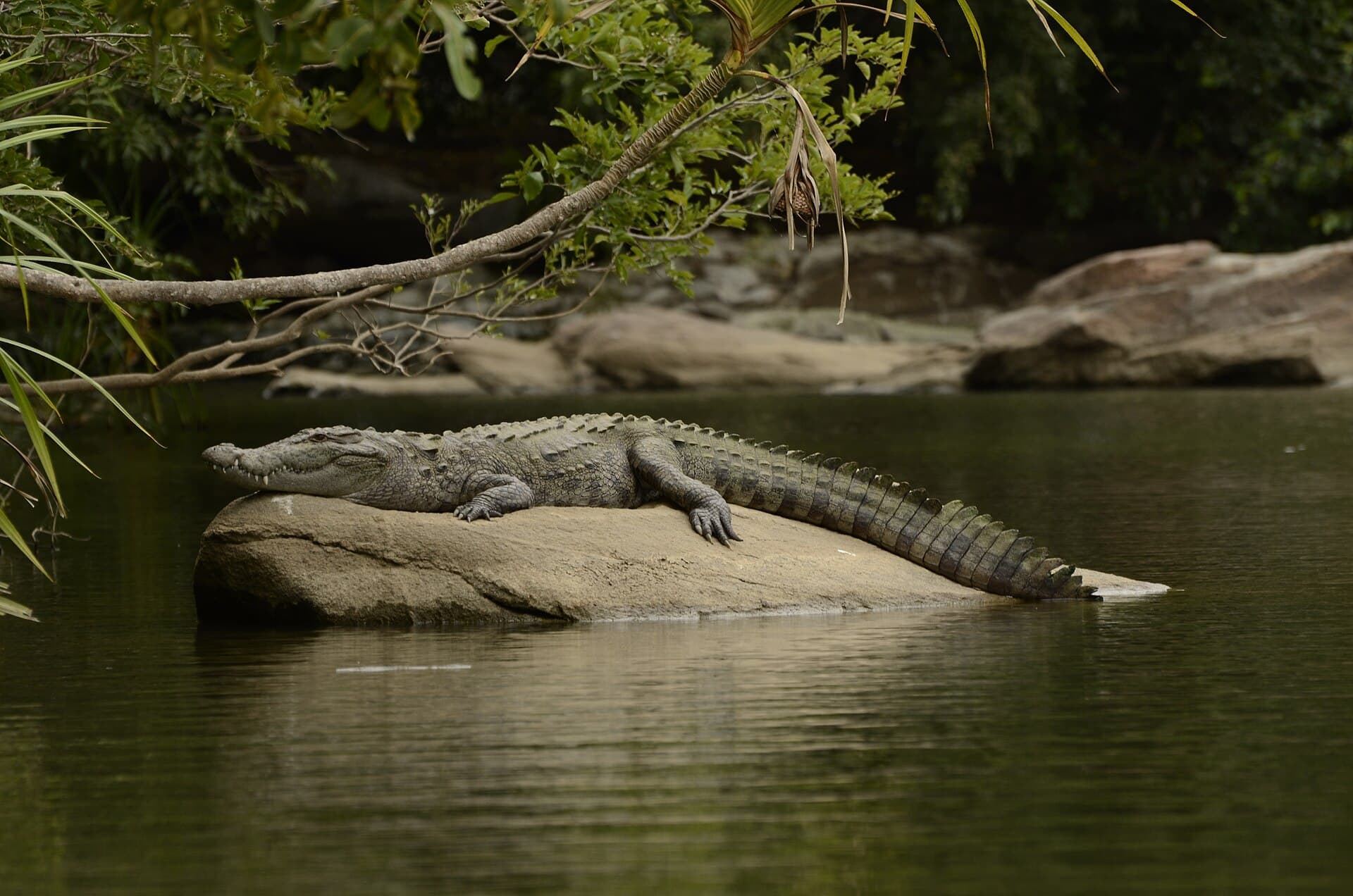
The mugger crocodile, or marsh crocodile, is a medium-sized freshwater crocodile native to the Indian subcontinent and the most common crocodile in India. Highly adaptable, it inhabits a wide range of freshwater habitats including rivers, lakes, marshes, and man-made reservoirs, and can travel considerable distances overland to colonise new water bodies. The mugger is central to conservation success at Gharial Ecology Project sites and India's Project Crocodile.
 Endangered
Nilgiri Tahr
Nilgiritragus hylocrius
Nilgiri Ibex, Nilgiri Wild Goat
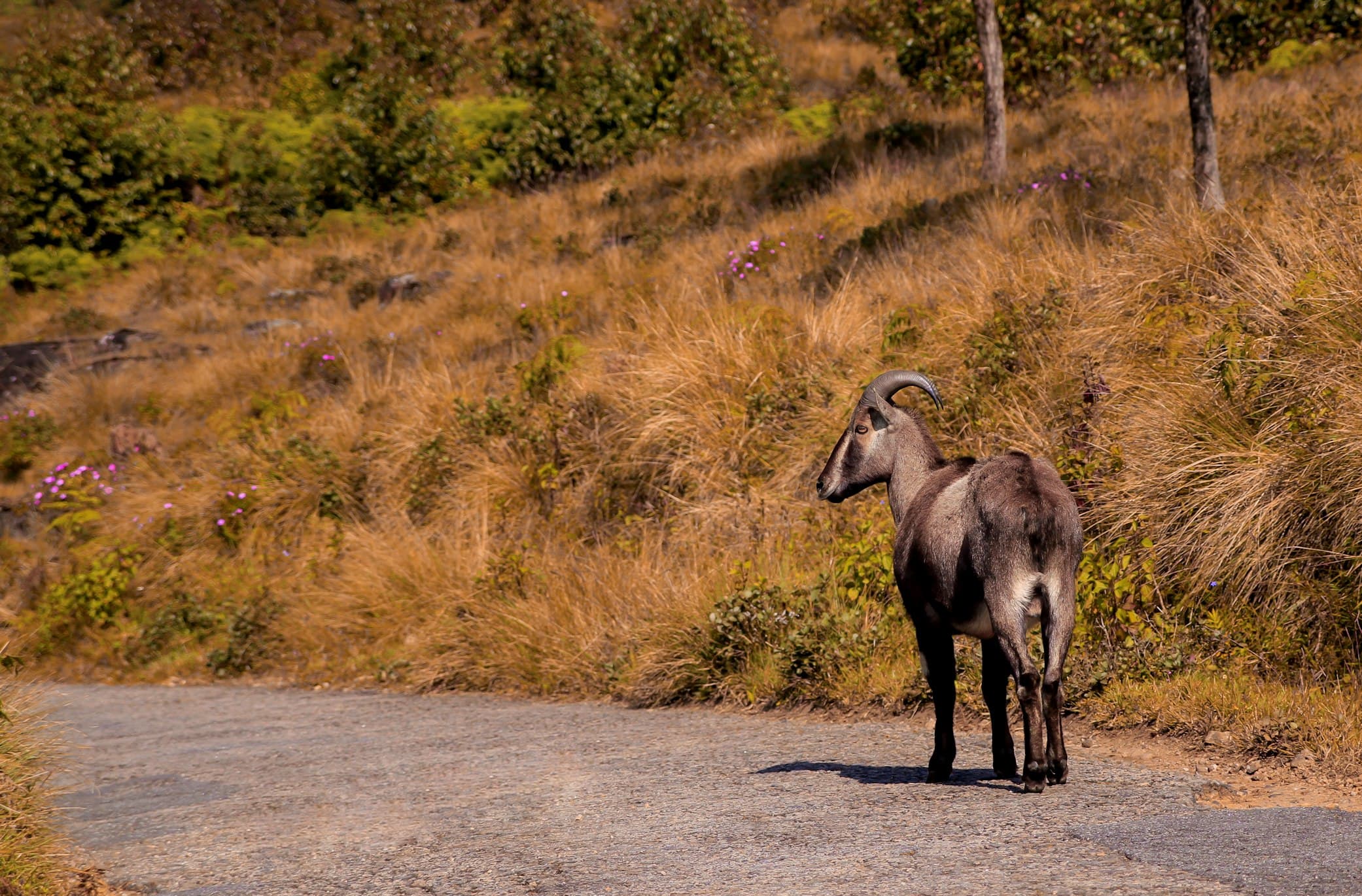
The Nilgiri tahr is a sturdy, stocky ungulate endemic to the Nilgiri Hills and the Western Ghats of southern India, and the state animal of Tamil Nadu. Adapted to steep, rocky terrain, it moves with remarkable agility across sheer cliff faces. Critically endangered with a population of fewer than 3,000, it is protected almost entirely within Eravikulam National Park.
 Near Threatened
Oriental White Ibis
Threskiornis melanocephalus
Black-headed Ibis, Indian White Ibis
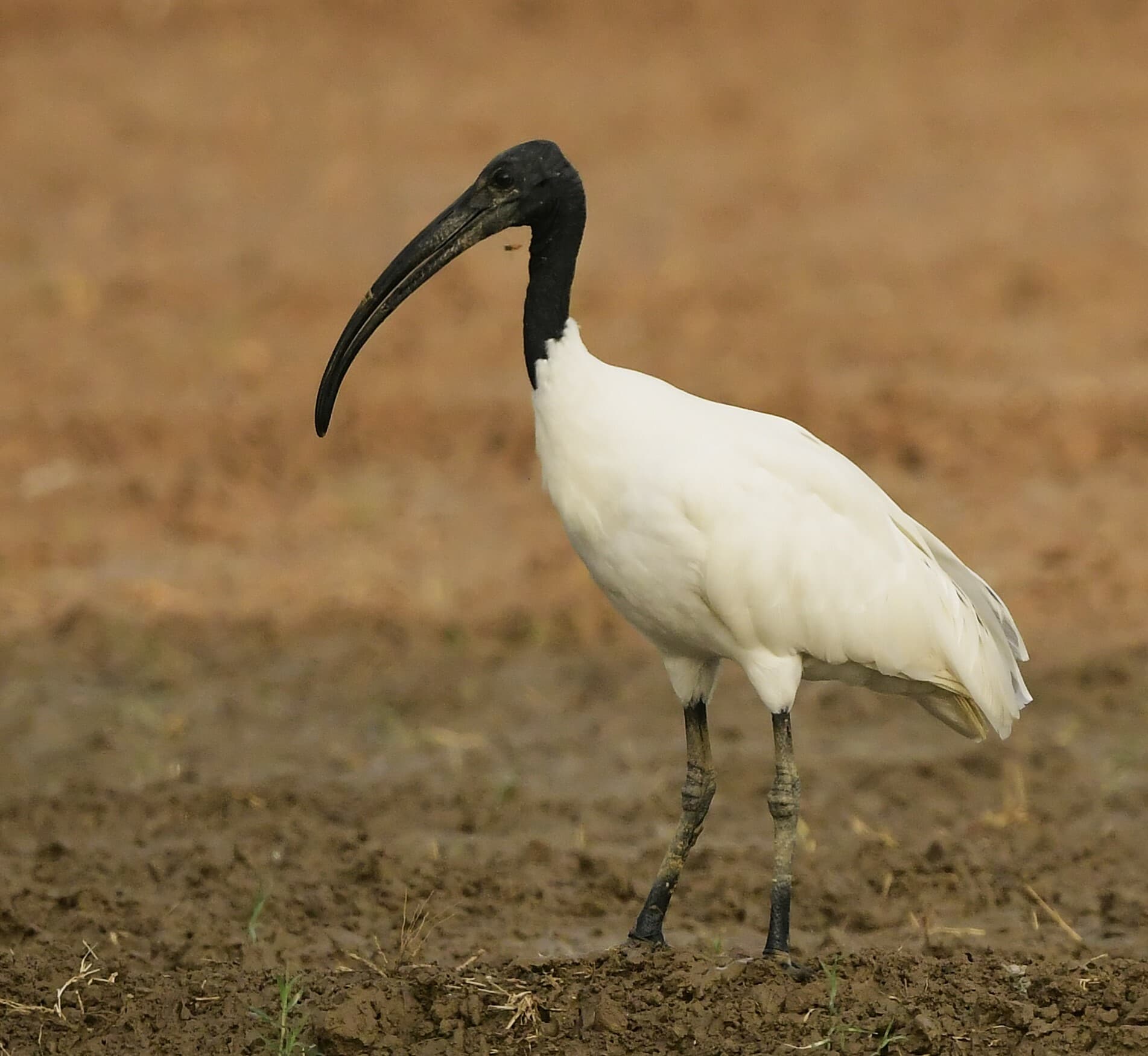
The Oriental white ibis, also known as the black-headed ibis, is a large wading bird found across tropical South and Southeast Asia. It is easily identified by its white plumage, bald black head, and long, downcurved black bill used to probe mud and shallow water for fish, frogs, and invertebrates. It nests in large mixed colonies in trees near wetlands and is Near Threatened due to wetland loss and hunting.
 Near Threatened
Painted Stork
Mycteria leucocephala
Indian Painted Stork
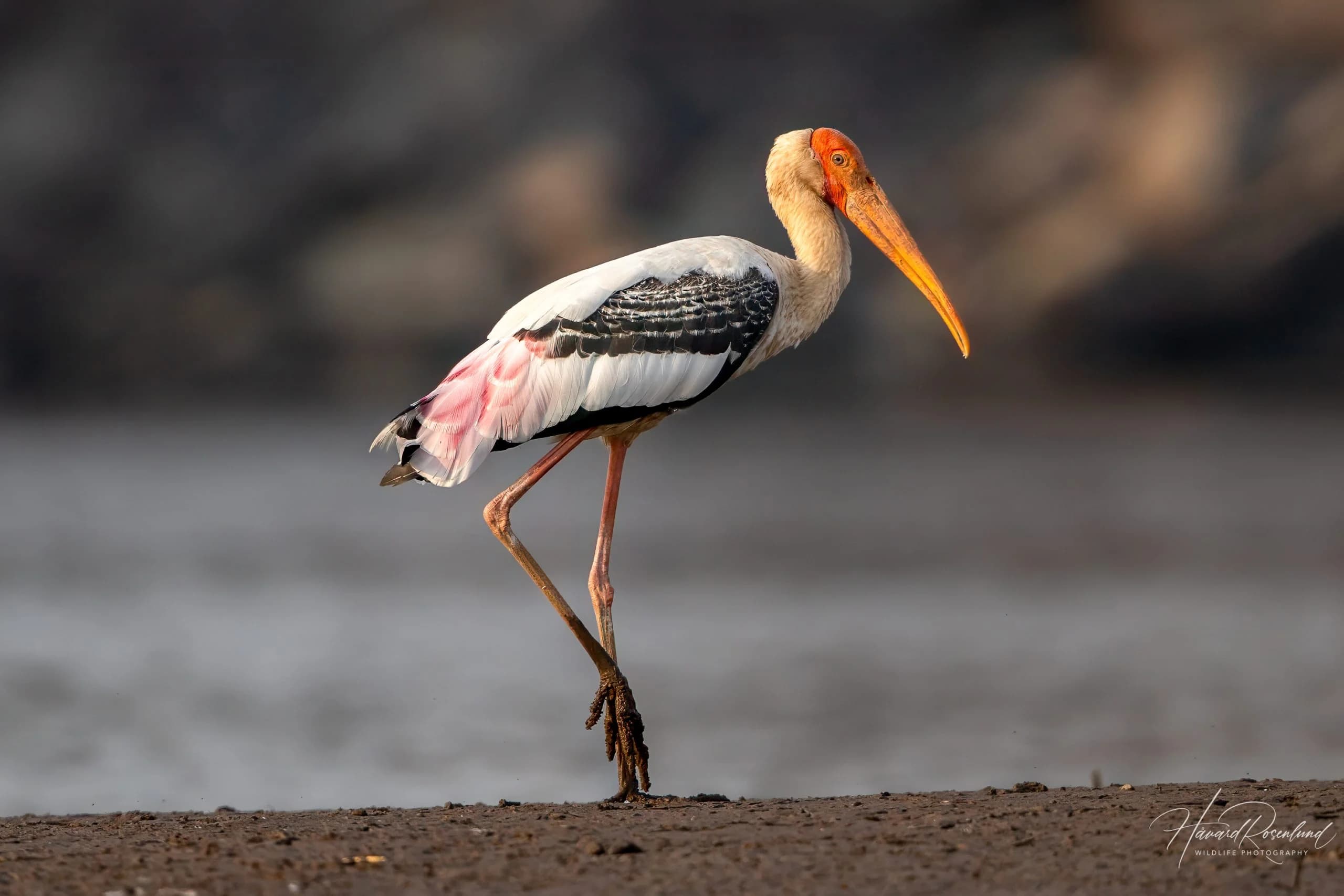
The painted stork is a large wading bird found across the wetlands and marshes of tropical Asia from India to Southeast Asia. Its name comes from the striking pink and white plumage washed with coral-pink on the wing coverts of adults. It is a colonial nester, often breeding alongside other waterbirds in mixed heronries, and is a familiar sight stalking through shallow water to catch fish, frogs, and crustaceans.
 Least Concern
Peregrine Falcon
Falco peregrinus
Peregrine Falcon, Duck Hawk
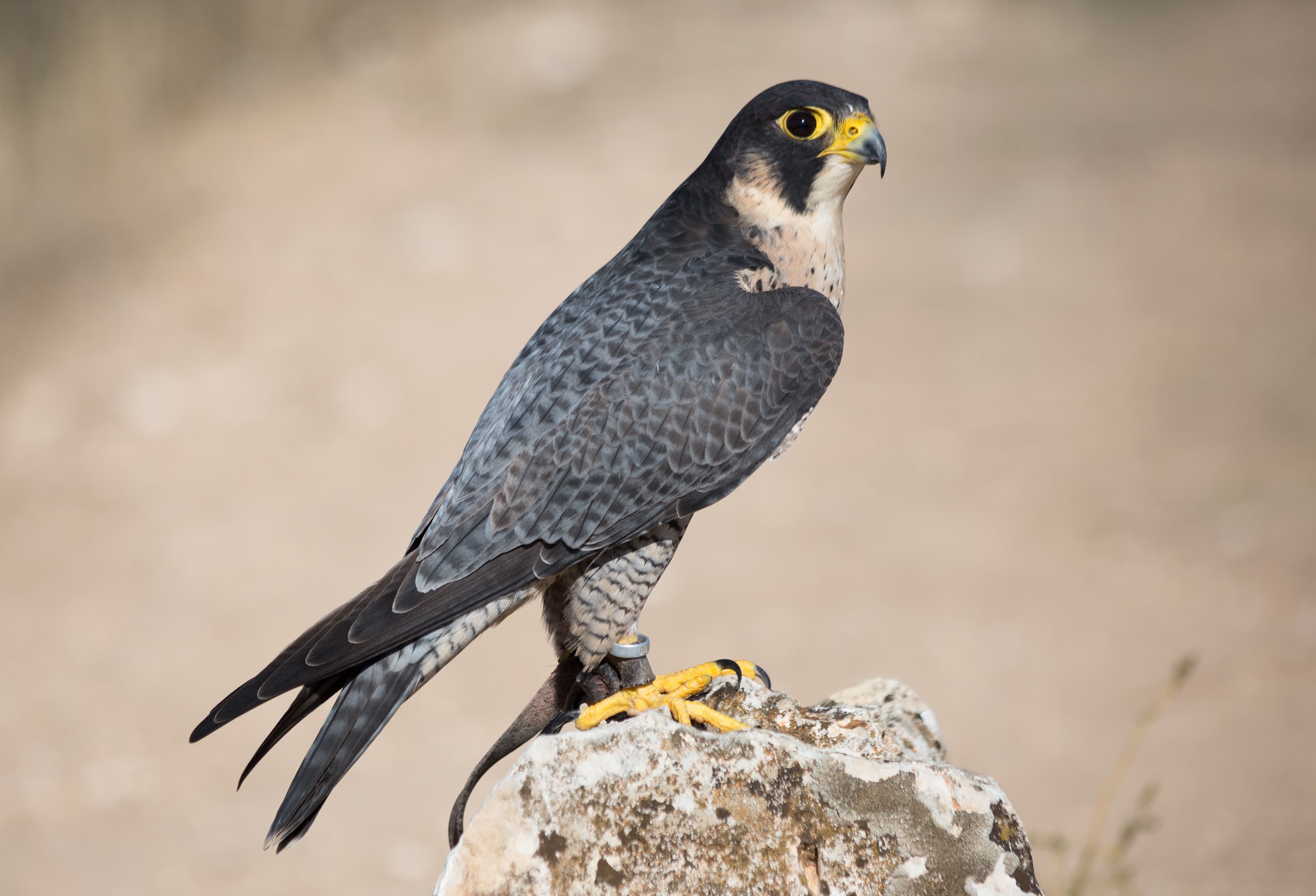
The peregrine falcon is the fastest bird — and the fastest animal on Earth — capable of reaching speeds exceeding 320 km/h during its characteristic hunting stoop. Found on every continent except Antarctica, it is the world's most widespread raptor and a supreme aerial predator that feeds almost exclusively on medium-sized birds caught in flight. Its dramatic population recovery after the DDT ban is one of conservation's greatest success stories.
 Endangered
Pygmy Hog
Porcula salvania
Pygmy Hog
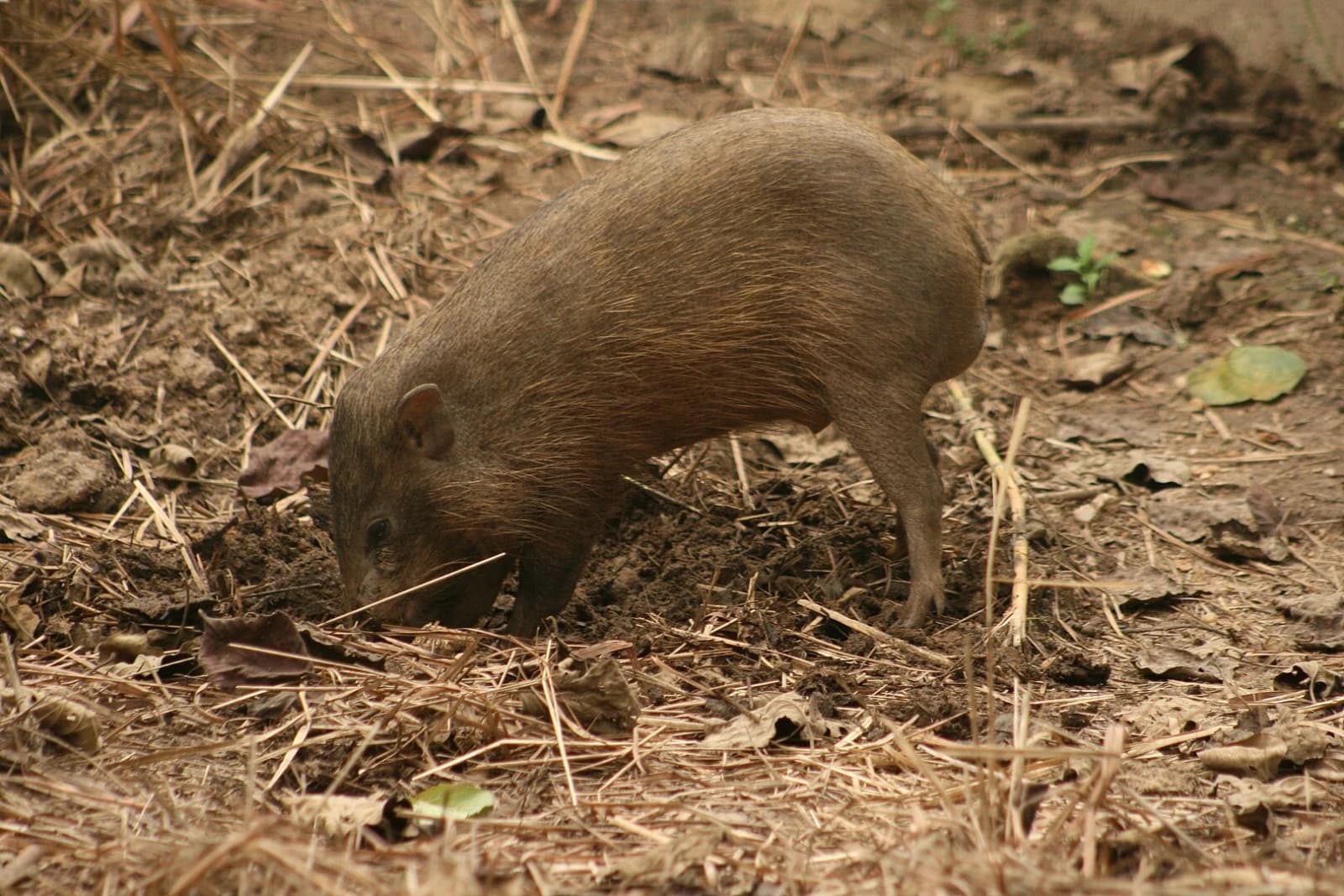
The pygmy hog is the world's smallest and rarest wild pig, reaching only 25 cm in height and weighing under 10 kg. Critically Endangered, it is found only in a single population in Assam's Manas National Park, with a small number bred and reintroduced by the Pygmy Hog Conservation Programme. It lives in dense tall grasslands and is uniquely dependent on undisturbed grassland habitat that has largely disappeared from the Indian subcontinent.
 Least Concern
Red Fox
Vulpes vulpes
Red Fox
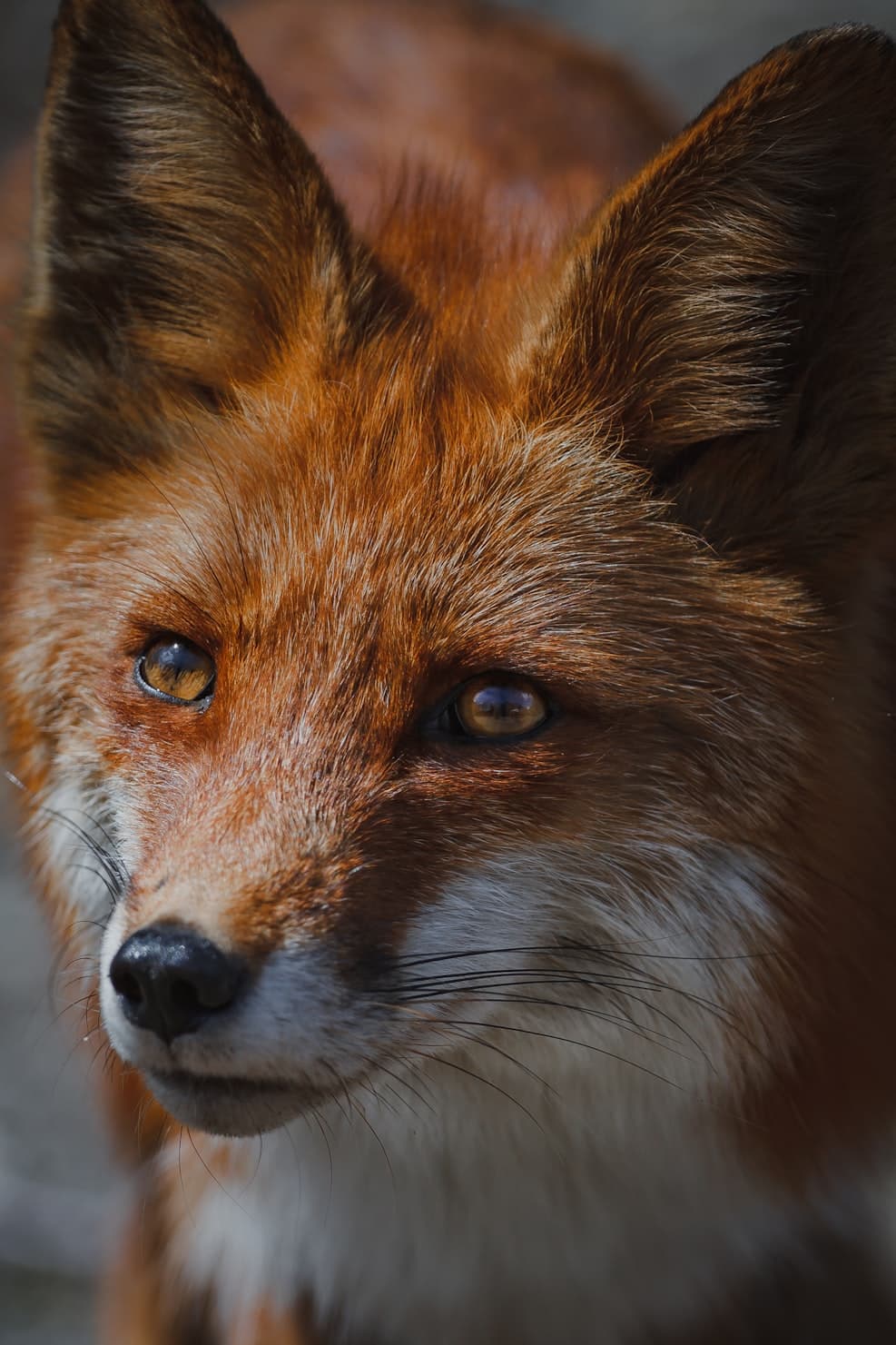
The red fox is the largest of the true foxes and one of the most widely distributed carnivores in the world, found across the entire Northern Hemisphere from the Arctic Circle to North Africa and Central America. It is a highly versatile omnivore and has successfully colonised urban environments on every inhabited continent. Its bushy tail, pointed ears, and bright russet coat make it one of the most recognisable mammals.
 Least Concern
Red Junglefowl
Gallus gallus
Jungli Murga, Wild Chicken
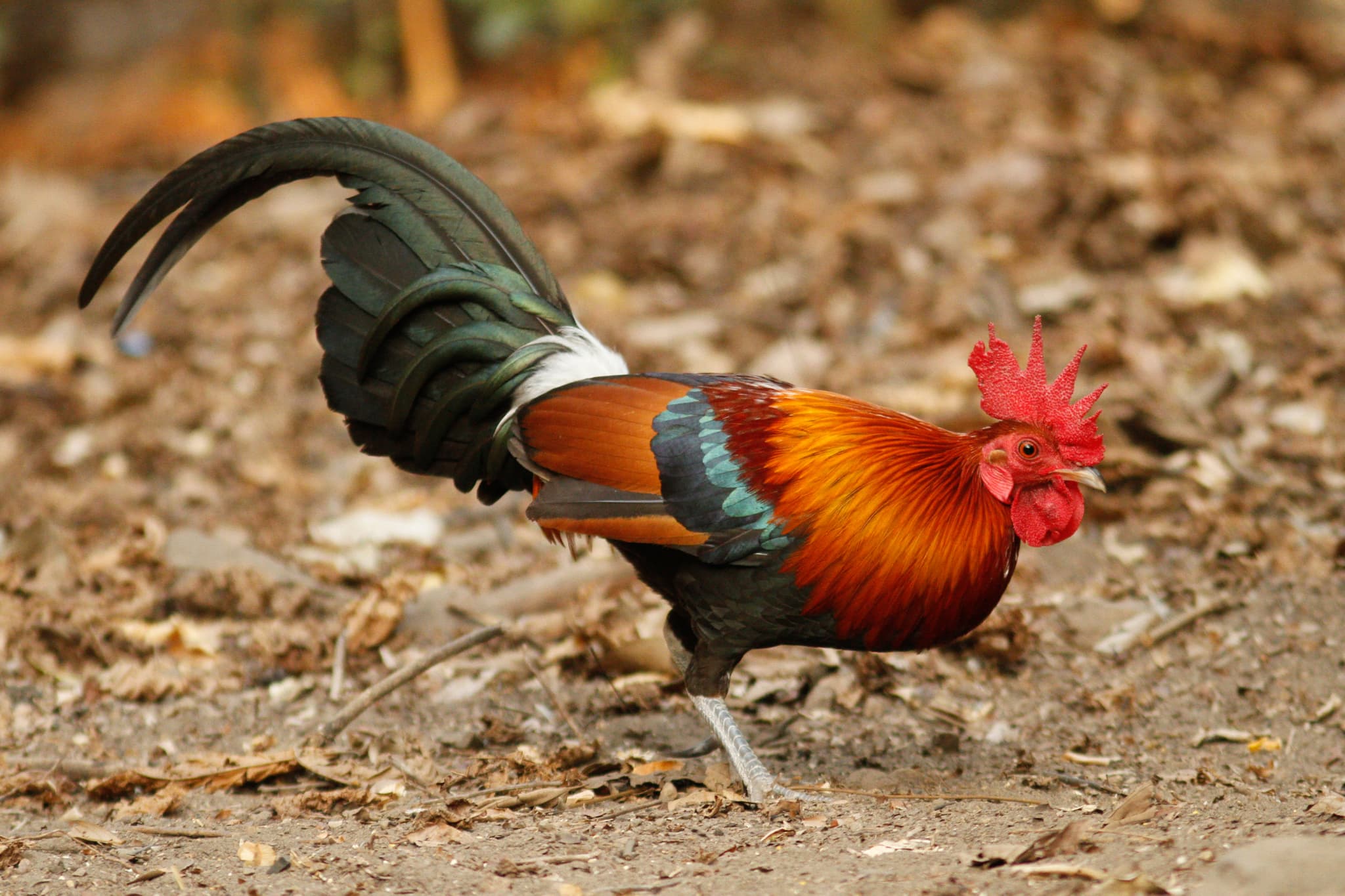
The red junglefowl is a tropical bird native to South and Southeast Asia and the wild ancestor of the domestic chicken, making it arguably one of the most significant birds to humanity. The male's vivid red comb, metallic green-black tail, and gold and orange plumage are the visual template from which domestic chicken breeds were derived. It inhabits the edges of forests and scrub, foraging on the ground for seeds, insects, and small reptiles.
 Near Threatened
Rusty-spotted Cat
Prionailurus rubiginosus
World's Smallest Wild Cat
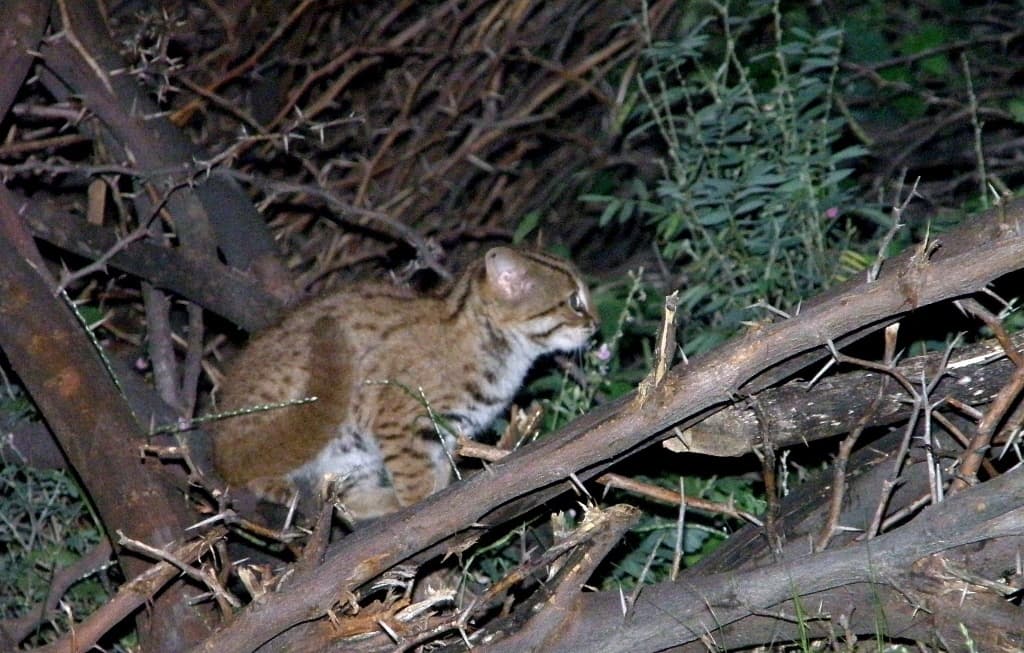
The rusty-spotted cat is the world's smallest wild cat, weighing as little as 0.9 kg and measuring just 35–48 cm in body length. Native to India and Sri Lanka, it inhabits moist and dry deciduous forests, scrublands, and rocky areas. Despite its tiny size, it is an agile and ferocious hunter of birds, small mammals, and insects, and is listed as Near Threatened due to habitat loss.
 Least Concern
Saltwater Crocodile
Crocodylus porosus
Saltwater Crocodile, Estuarine Crocodile +1
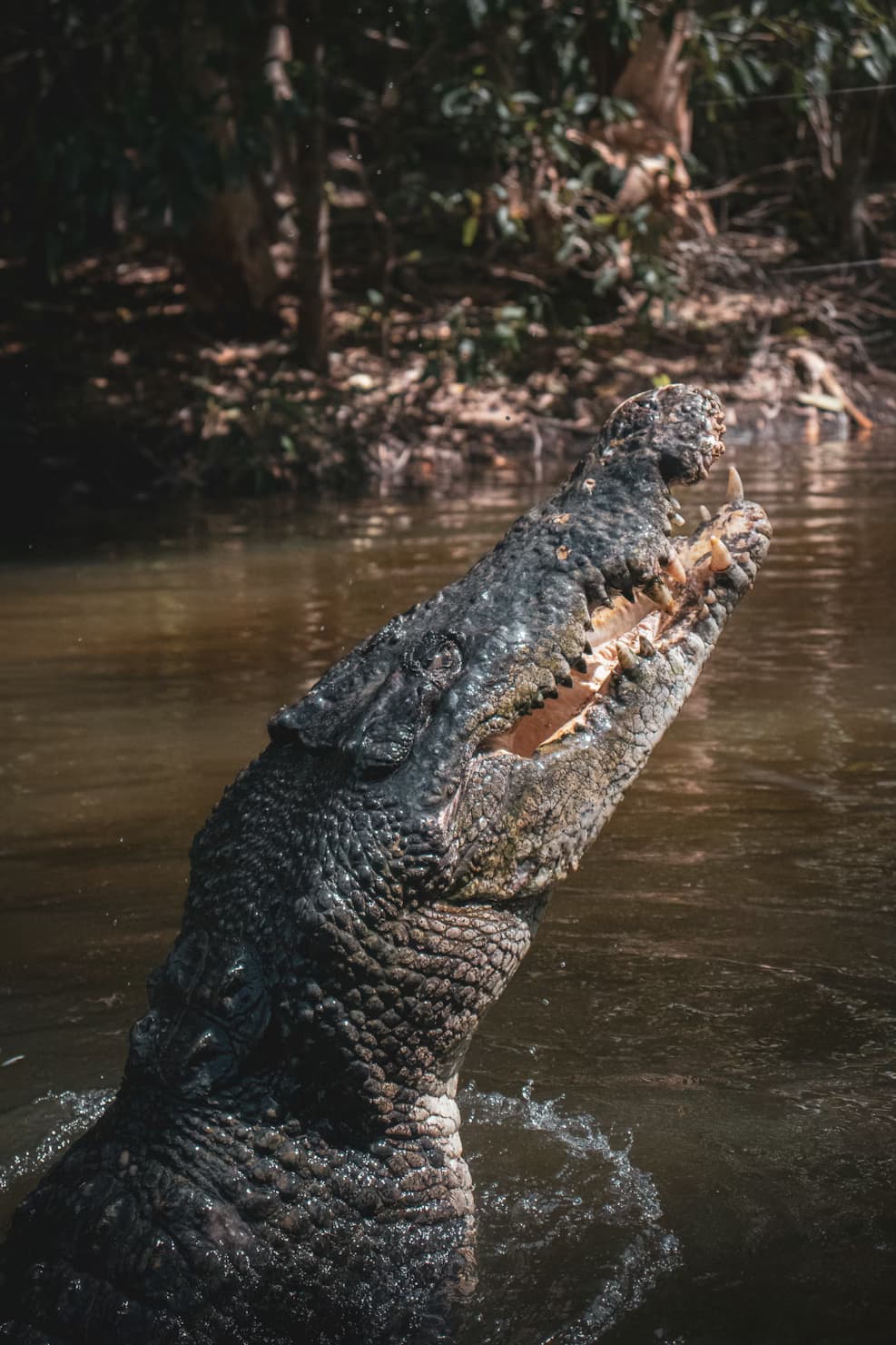
The saltwater crocodile is the largest living reptile in the world, with large males reaching up to 6 metres and exceeding 1,000 kg. Found from the eastern coast of India through Southeast Asia to northern Australia, it is capable of ocean crossings and is the ultimate generalist predator, attacking anything from fish and birds to large mammals and humans. Despite its fearsome reputation, conservation efforts have allowed populations to recover significantly.
 Vulnerable
Sambar Deer
Rusa unicolor
Sambar, Indian Sambar
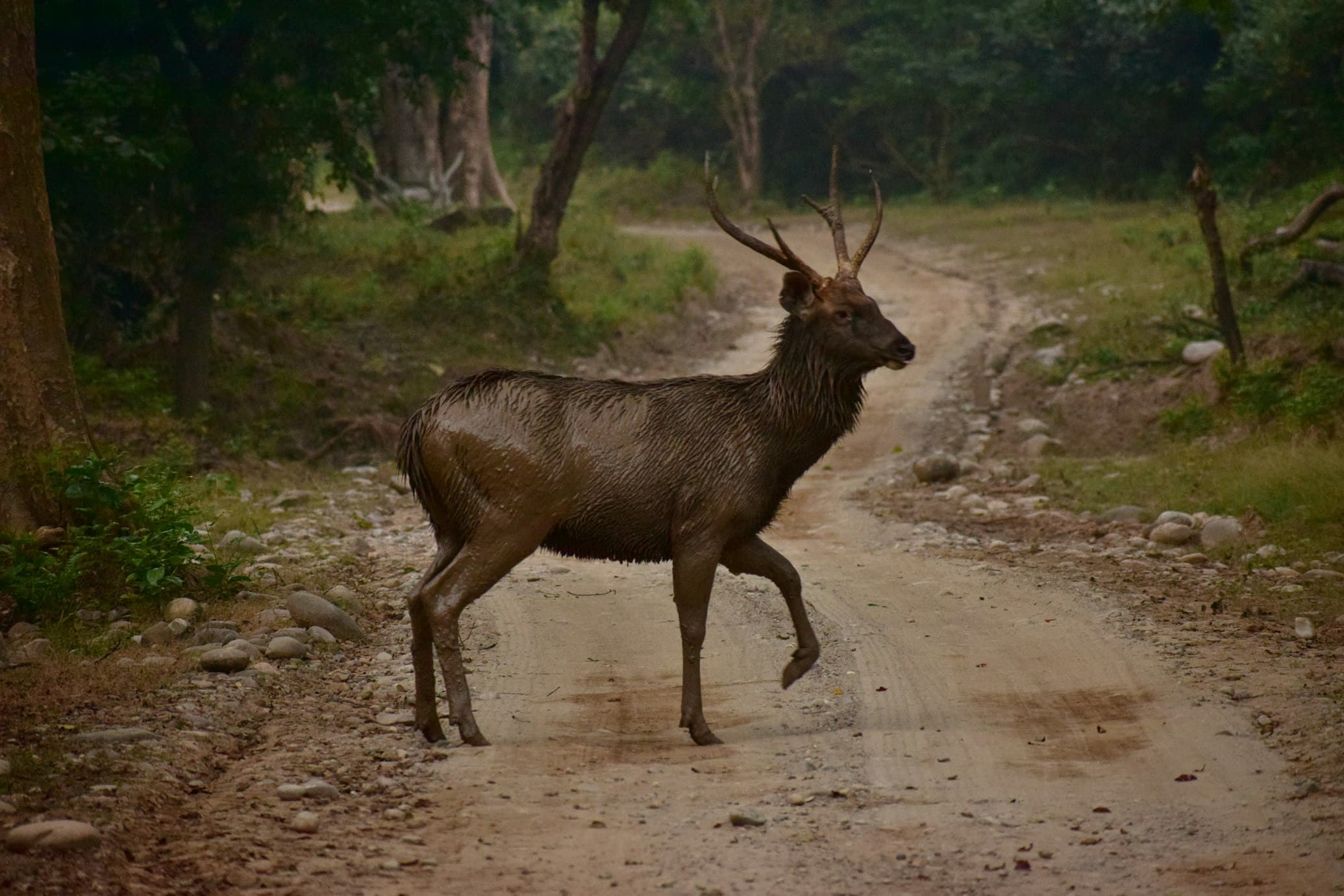
The sambar is one of the largest deer species in Asia and the primary prey of the tiger across much of India. A robust, dark-coated deer with large ears and shaggy mane, the sambar is well adapted to dense forest environments and is an exceptionally strong swimmer. It is highly vigilant and uses a distinctive alarm call — a loud, resonant 'dhank' — to warn other animals of approaching predators.
 Endangered
Sangai
Rucervus eldii eldii
Manipur Brow-Antlered Deer, Dancing Deer +1
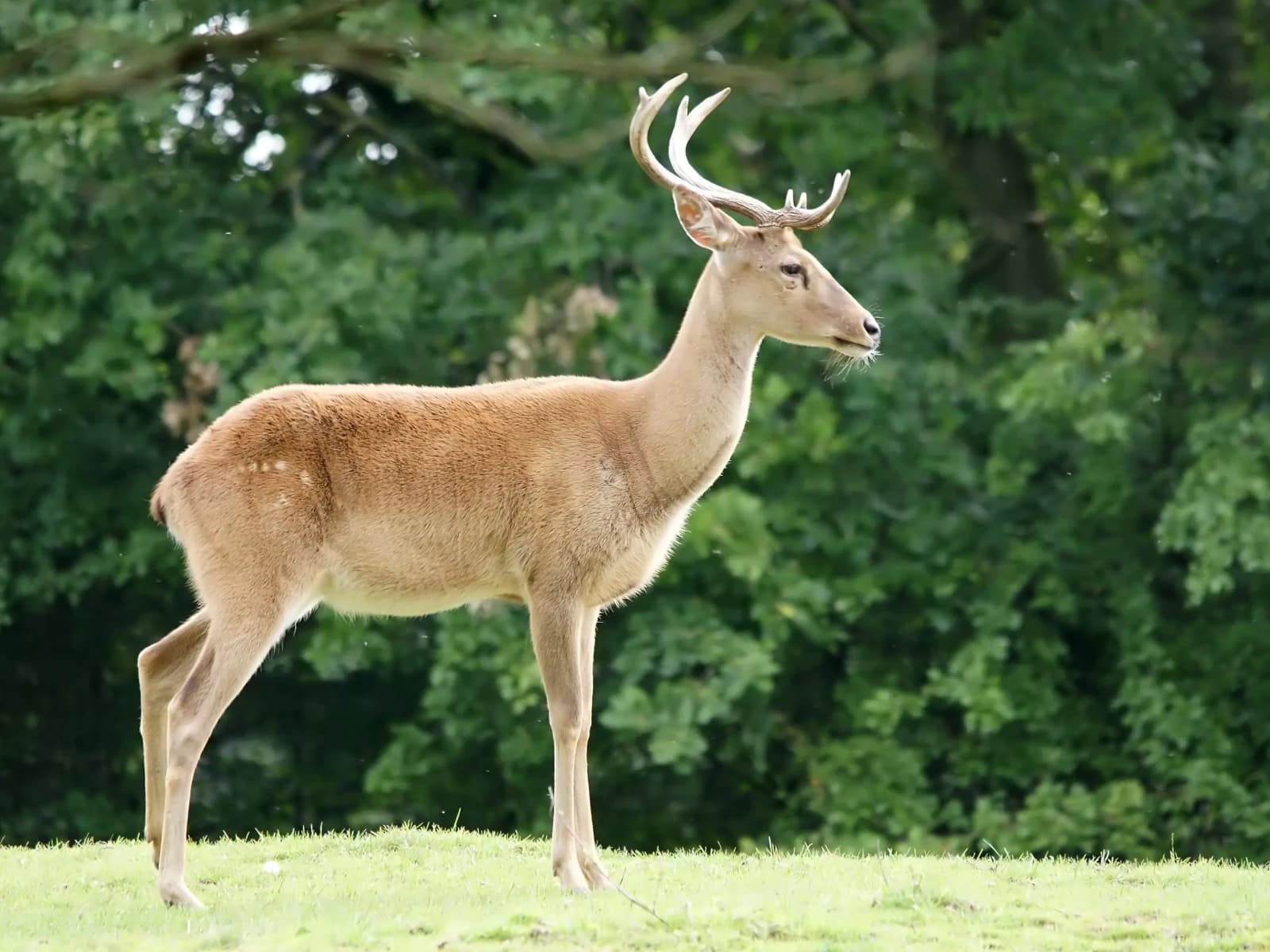
The sangai, or brow-antlered deer, is a critically endangered deer species endemic to Manipur, India, and the state animal of Manipur. It uniquely inhabits the floating biomass — locally called 'phumdi' — of Loktak Lake, the largest freshwater lake in Northeast India. Considered locally extinct at one point, it survived due to protection in Keibul Lamjao National Park, the world's only floating national park.
 Vulnerable
Sarus Crane
Antigone antigone
Sarus Crane
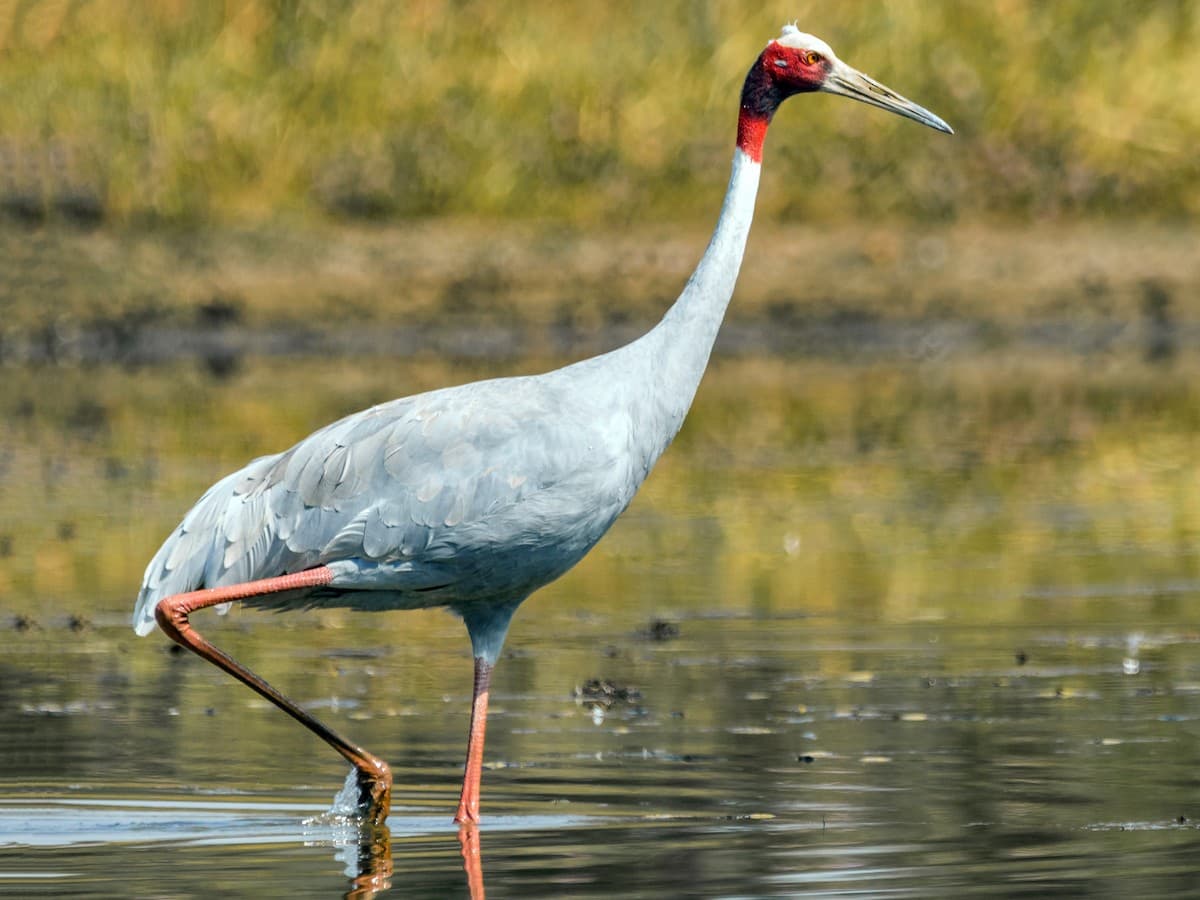
The sarus crane is the world's tallest flying bird, reaching up to 1.8 metres in height, and is native to the Indian subcontinent, Southeast Asia, and Australia. Revered in Indian culture as a symbol of marital fidelity — pairs mate for life and are rarely seen apart — it is the state bird of Uttar Pradesh. Although still relatively common in some parts of India, the sarus crane has declined sharply due to wetland drainage and agricultural intensification.
 Critically Endangered
Siberian Crane
Leucogeranus leucogeranus
Snow Crane, Siberian White Crane
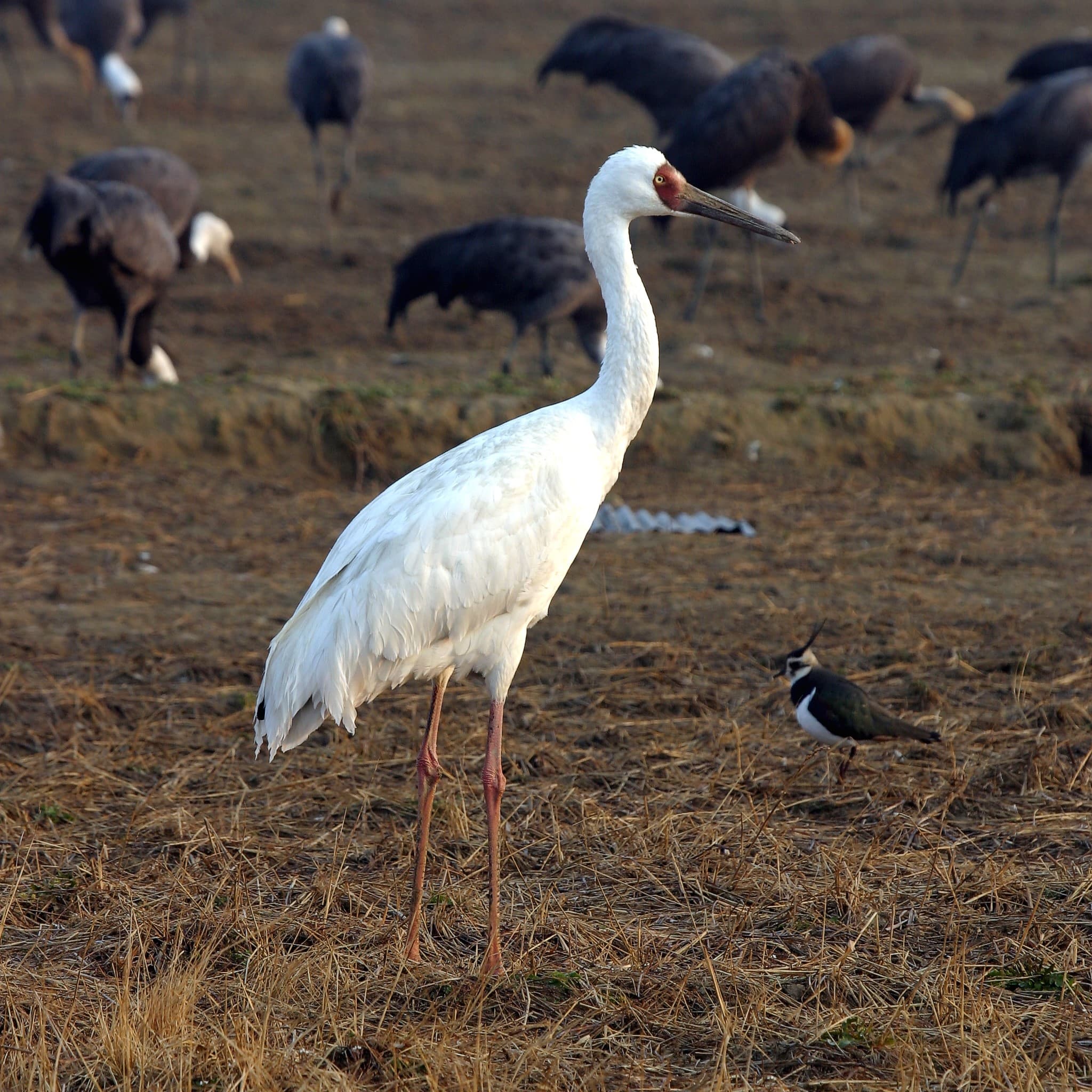
The Siberian crane is a large, strikingly white migratory bird that undertakes one of the longest migrations of any bird species, travelling from its Siberian breeding grounds to wintering sites in India and China. Listed as Critically Endangered, only a single small population now winters in India — at Bharatpur's Keoladeo National Park — after its central Asian population collapsed entirely. Loss of wetland habitats along its entire migratory route is the primary threat.
 Vulnerable
Sloth Bear
Melursus ursinus
Indian Bear, Honey Bear
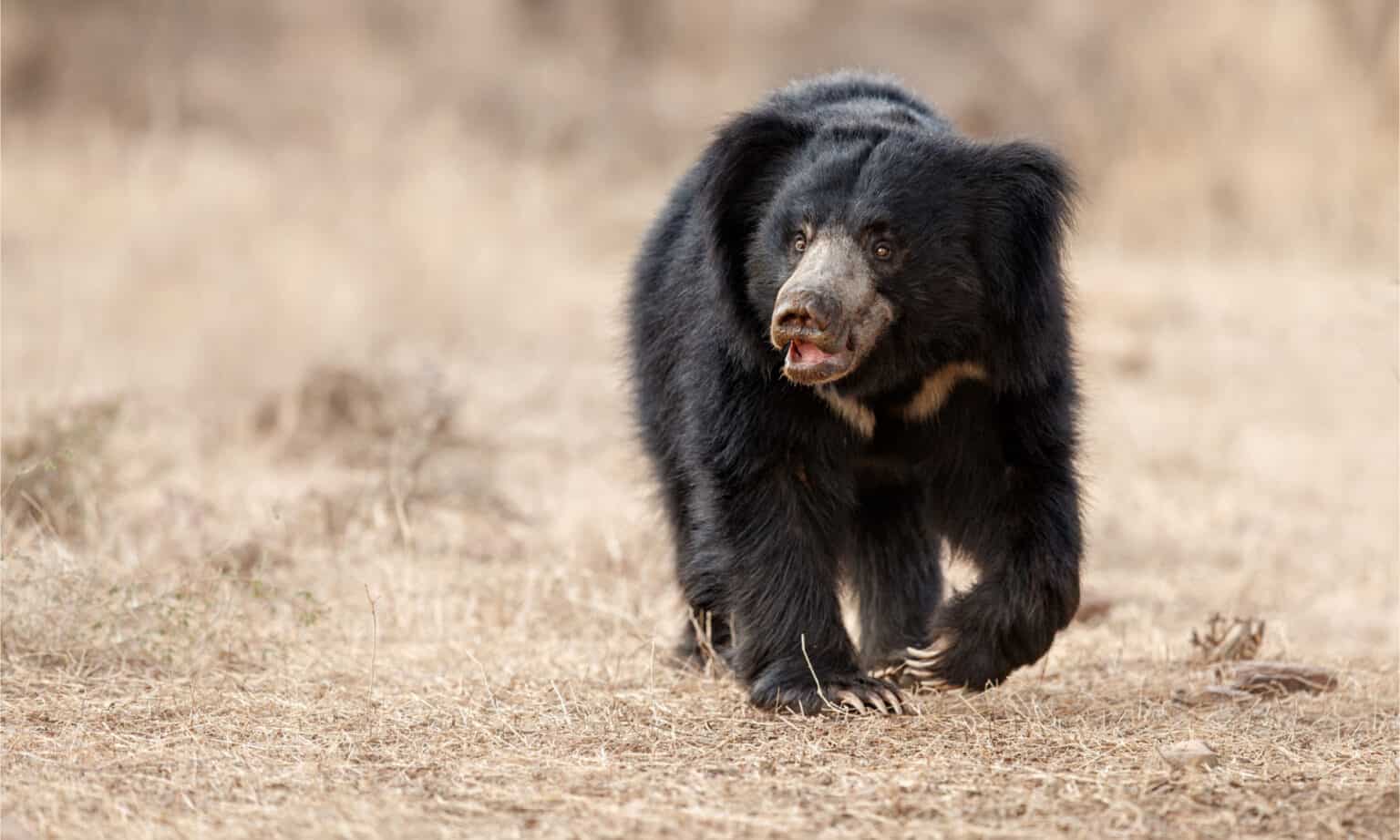
The sloth bear is a myrmecophagous bear native to the Indian subcontinent, uniquely adapted to feed on insects — particularly termites and ants. It has a long, bare snout, flexible lips, and a gap in its front teeth through which it can forcefully suck up insects from mounds. Sloth bears are also known for carrying their cubs on their backs, a behaviour unique among bears.
 Vulnerable
Smooth-coated Otter
Lutrogale perspicillata
Indian Smooth Otter
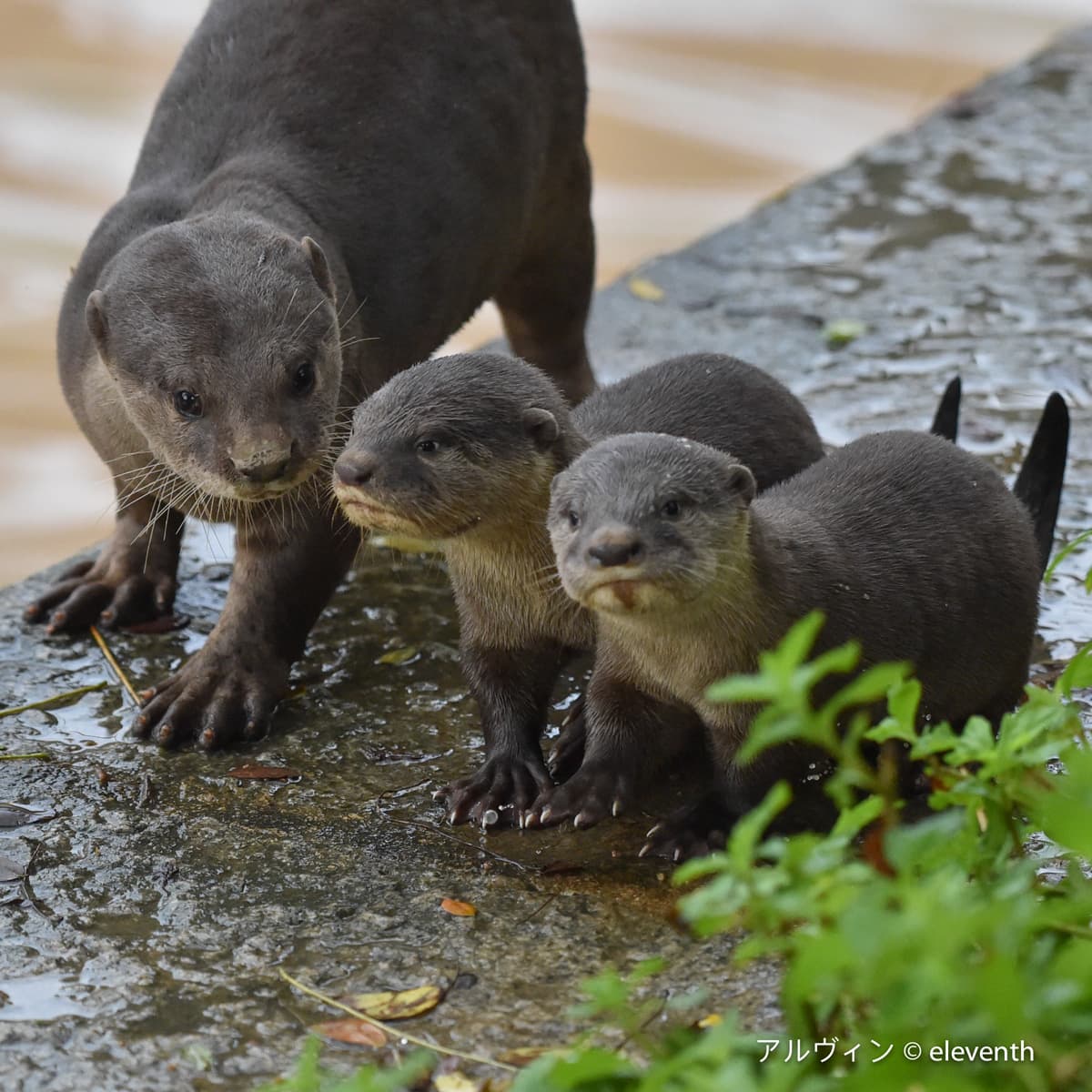
The smooth-coated otter is the largest otter species in Asia and a highly social, semi-aquatic carnivore found across the Indian subcontinent and Southeast Asia. It lives in family groups of up to 11 individuals and is one of the few otter species that actively hunts cooperatively. Listed as Vulnerable, it faces threats from wetland degradation, pollution, and hunting for its dense, smooth fur.
 Vulnerable
Snow Leopard
Panthera uncia
Snow Leopard, Ounce
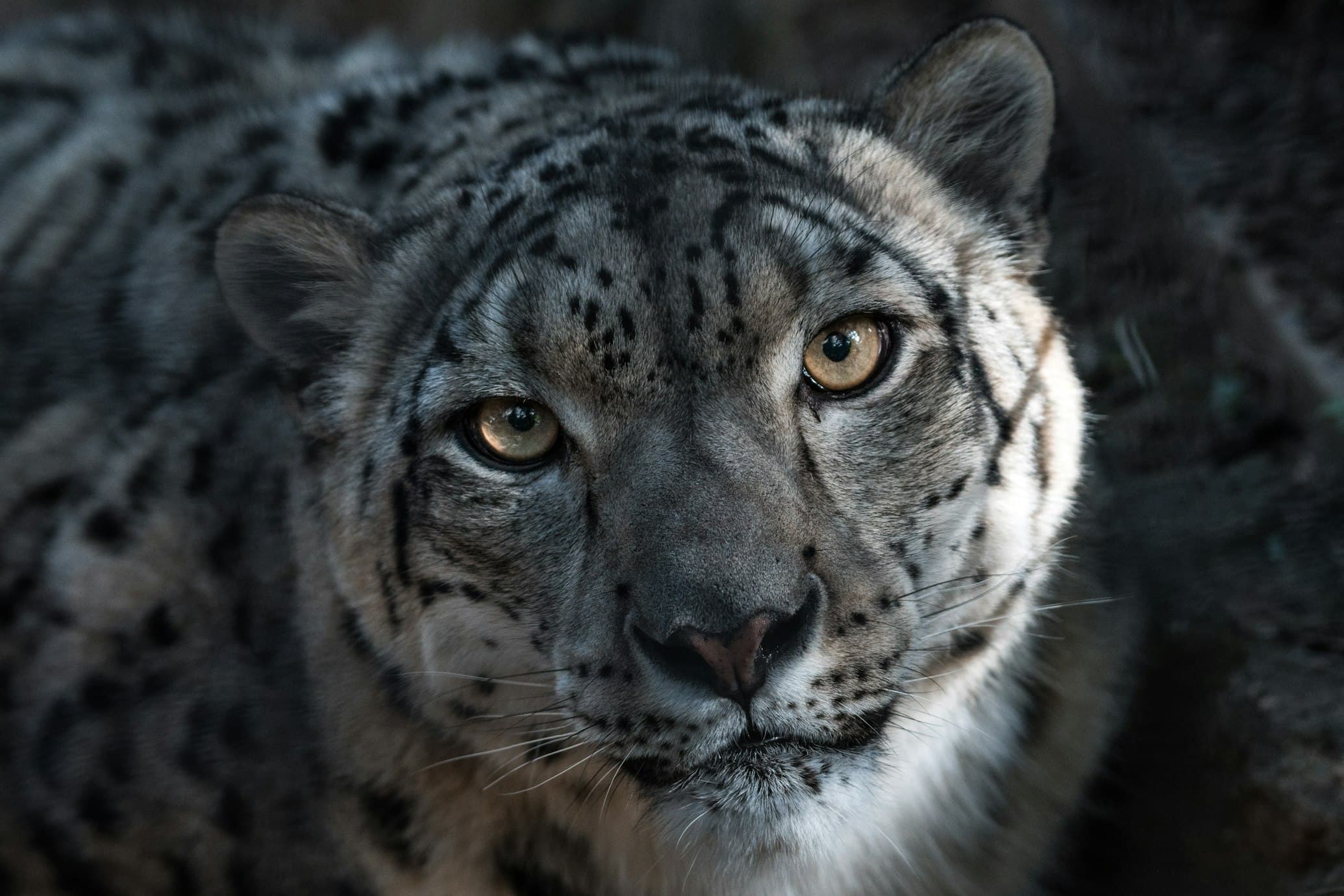
The snow leopard is a large cat native to the mountain ranges of Central and South Asia, including the Himalayas and the Tibetan Plateau. Known as the 'ghost of the mountains', it is rarely seen in the wild due to its elusive nature and remote habitat. Its thick, pale-grey fur patterned with dark rosettes provides perfect camouflage in rocky, snow-covered terrain.
 Near Threatened
Spot-billed Pelican
Pelecanus philippensis
Grey Pelican, Indian Spot-billed Pelican
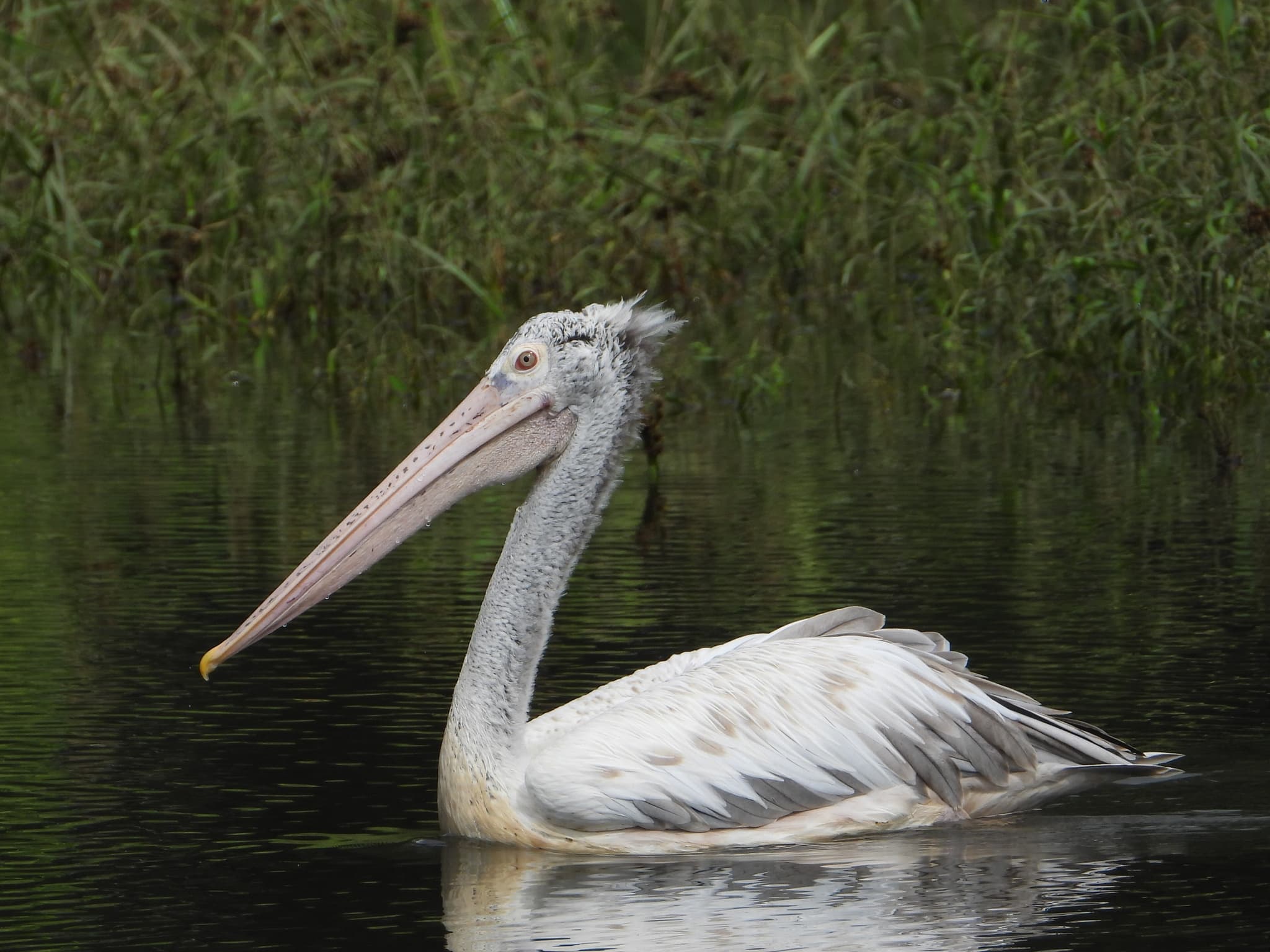
The spot-billed pelican is a large waterbird of peninsular India and Sri Lanka, distinguished by the distinctive blue spots on its pink-orange bill pouch. One of the smaller pelican species, it nests colonially in trees near wetlands and lakes, often alongside cormorants, herons, and painted storks. While its population in India is considered relatively stable, it faces ongoing threats from wetland drainage and human disturbance to nesting colonies.
 Near Threatened
Striped Hyena
Hyaena hyaena
Striped Hyena
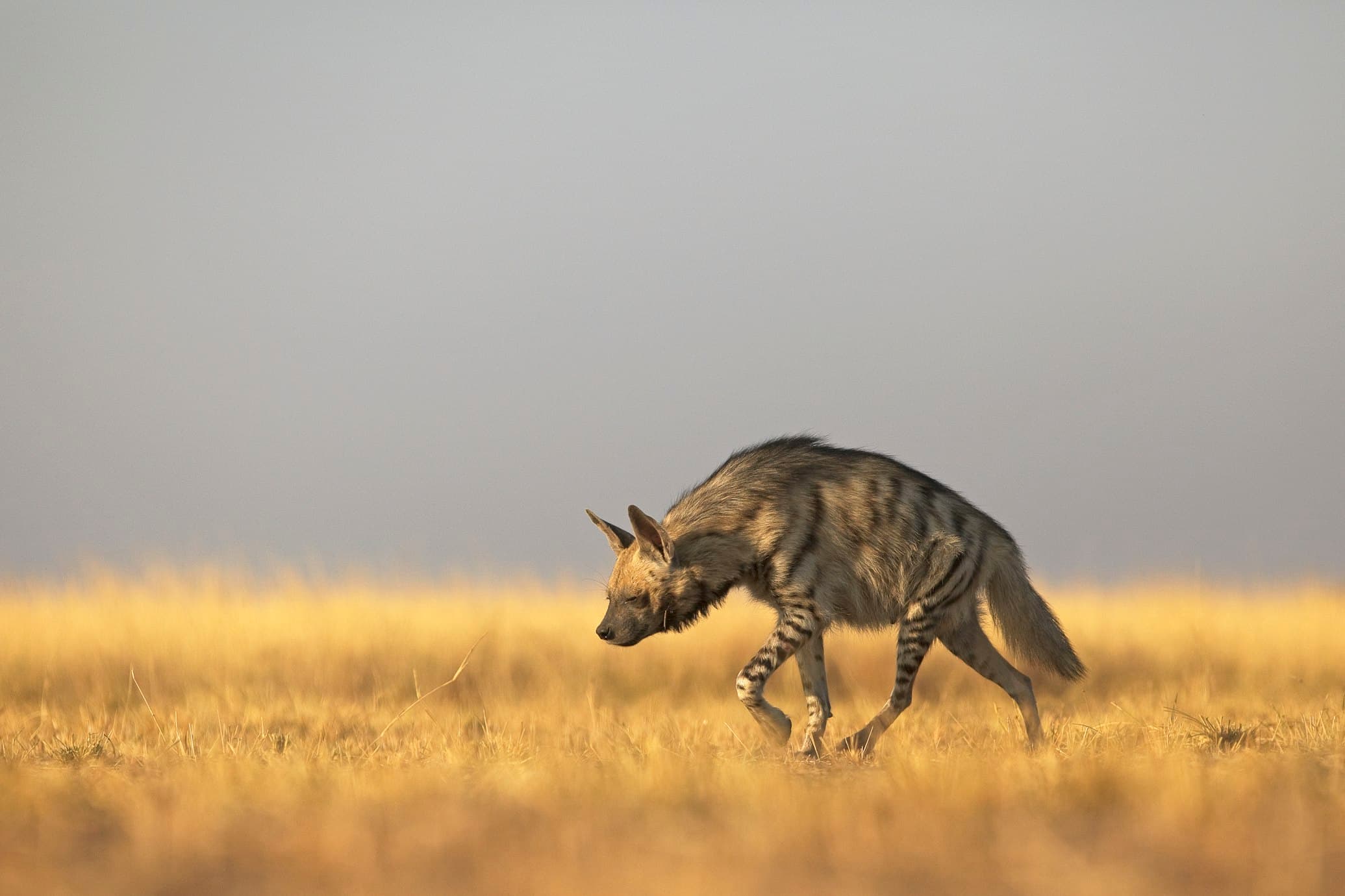
The striped hyena is the smallest of the extant hyena species and the only one found outside sub-Saharan Africa, ranging across North and East Africa, the Middle East, and the Indian subcontinent. Unlike its spotted cousin, the striped hyena is a largely solitary, nocturnal scavenger that also hunts small prey. In Indian folklore it is associated with witchcraft, leading to persecution that has contributed to its Near Threatened status.
 Vulnerable
Tibetan Wolf
Canis lupus filchneri
Himalayan Wolf, Woolly Wolf
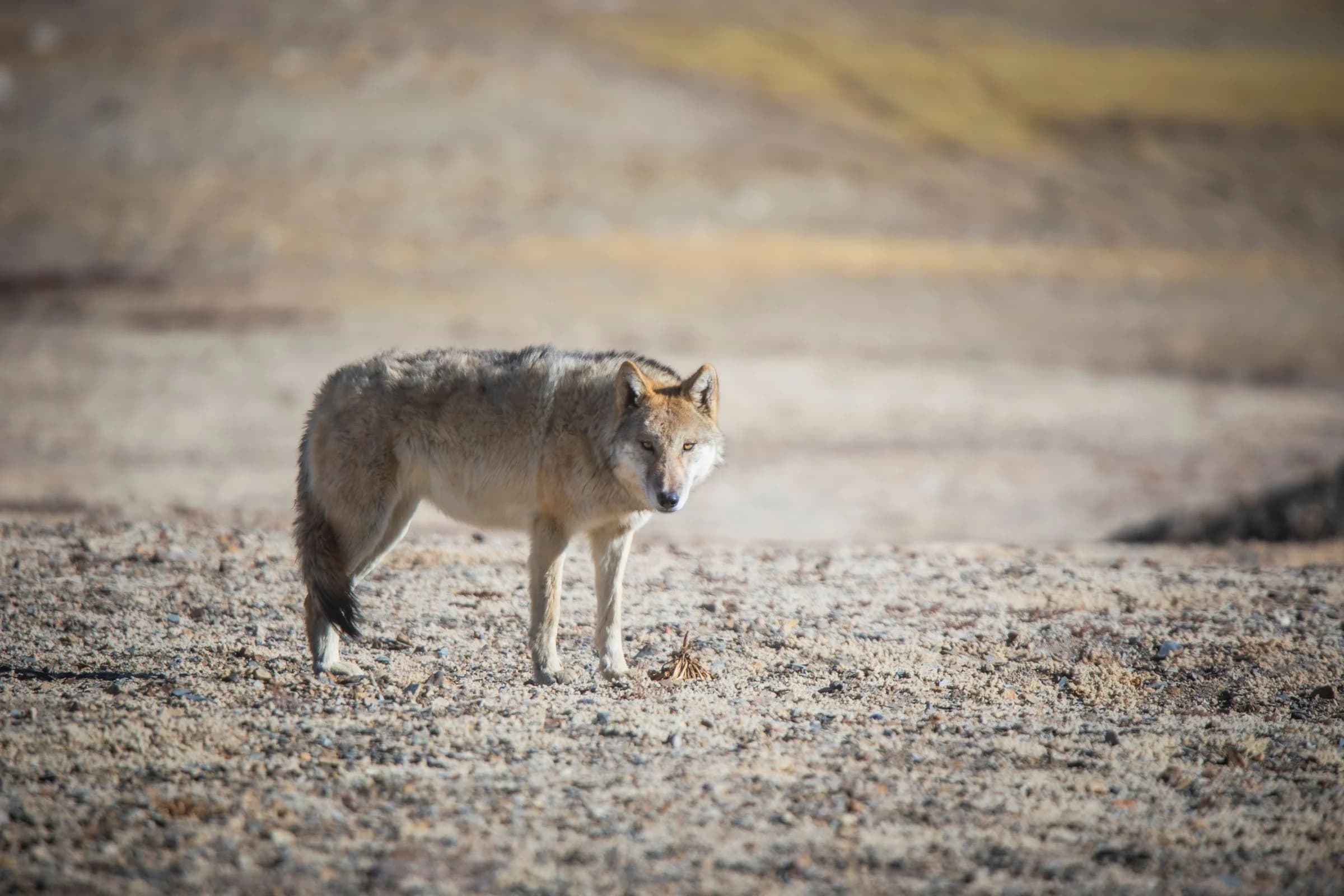
The Tibetan wolf is a subspecies of gray wolf adapted to life on the high-altitude Tibetan Plateau and Himalayan ranges of Central and South Asia. Smaller and more lightly built than many other wolf subspecies, it preys on bharal, kiang, and livestock, which brings it into frequent conflict with Himalayan herding communities. It is genetically one of the oldest wolf lineages and may have been the ancestor of the domestic dog.
 Endangered
Tiger
Panthera tigris
Bengal Tiger, Royal Bengal Tiger
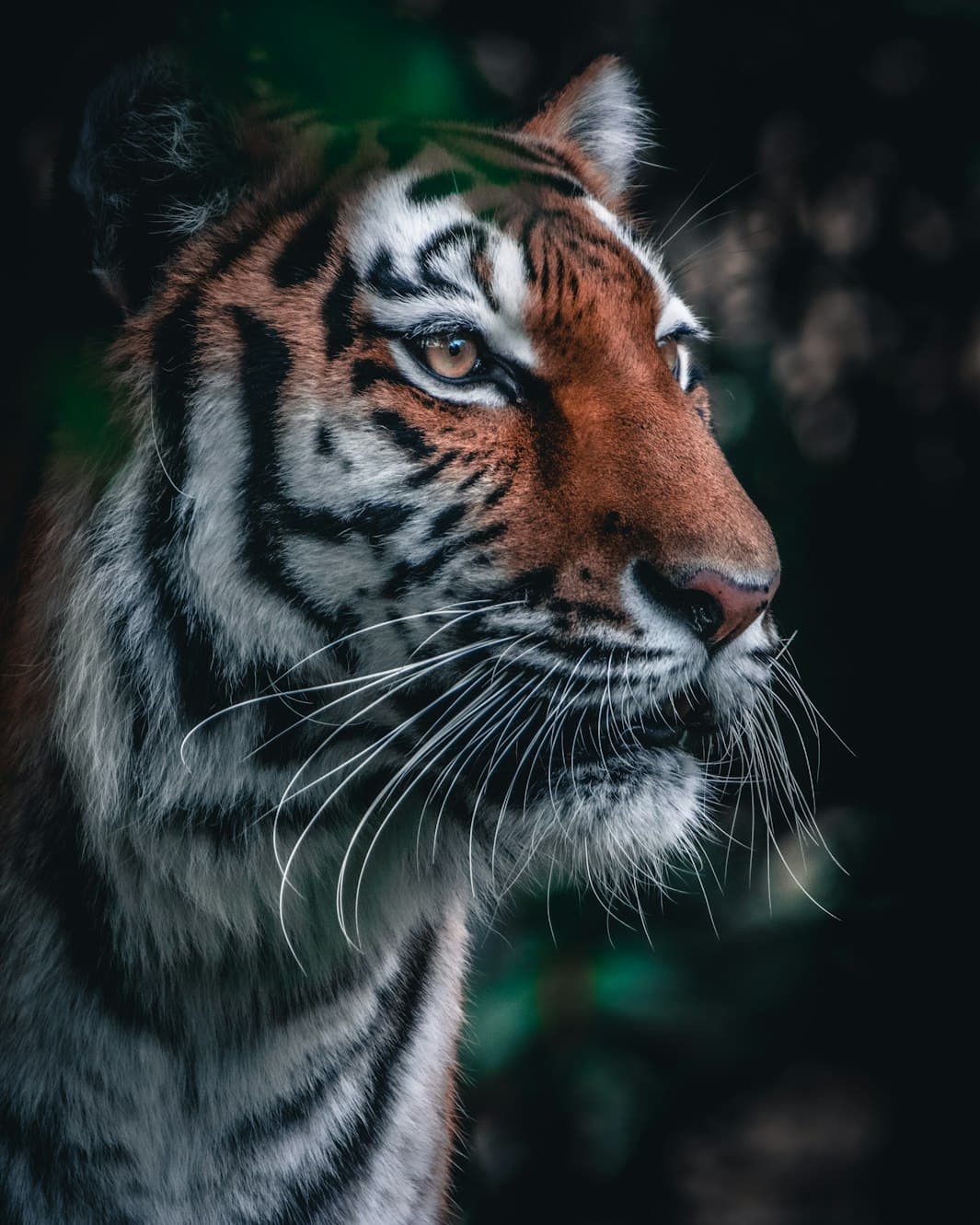
The tiger is the largest wild cat species on Earth and one of the most iconic predators in nature. Tigers are solitary hunters with striking orange coats patterned with black stripes — no two tigers have the same stripe pattern. As the national animal of India, the Bengal tiger is the most numerous subspecies, yet the species as a whole remains Endangered due to habitat loss and poaching.
 Endangered
Wild Water Buffalo
Bubalus arnee
Indian Wild Buffalo, Asiatic Buffalo
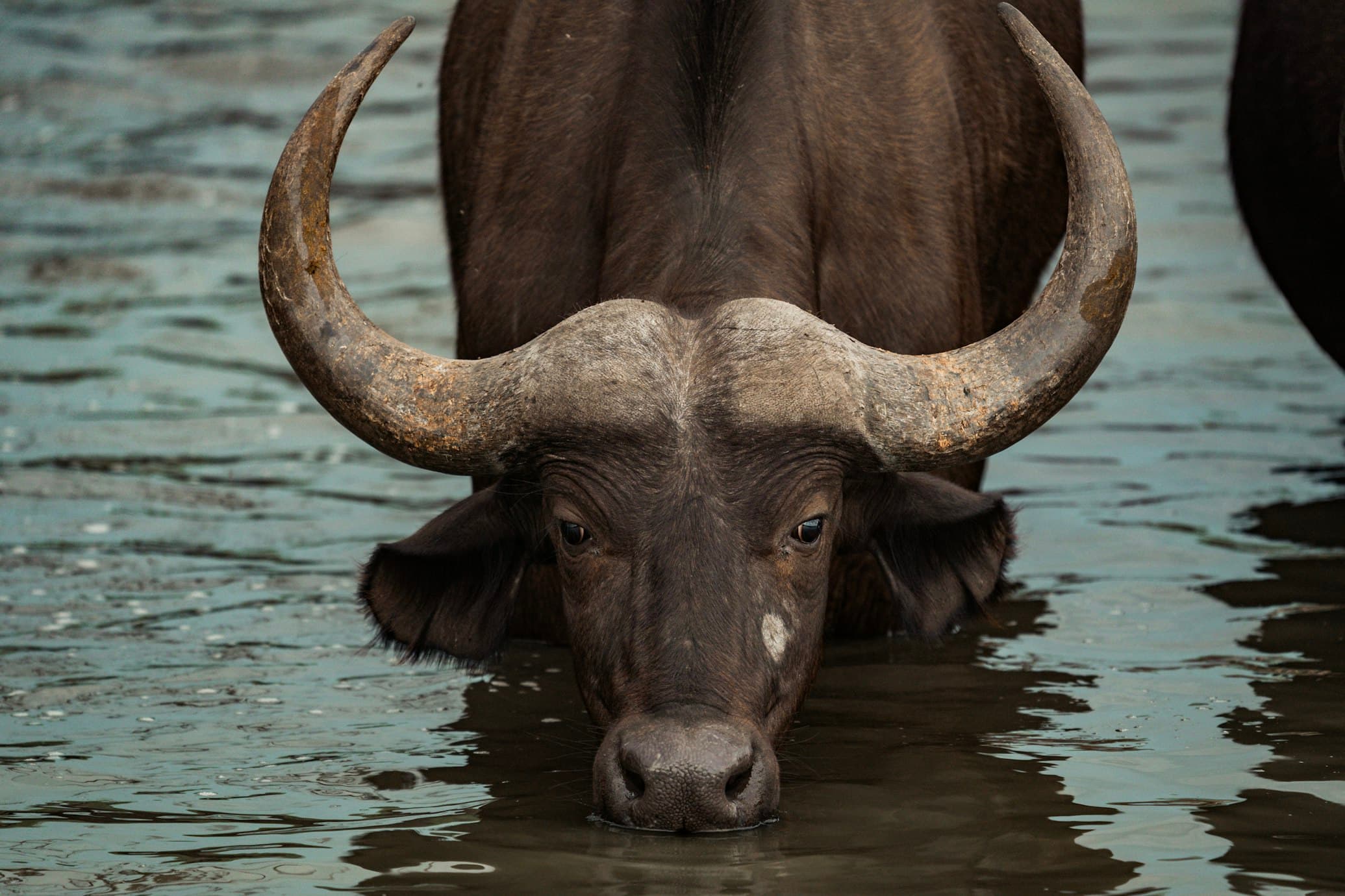
The wild water buffalo is the ancestor of the domestic water buffalo and one of the largest bovines in the world, with adult males weighing up to 1,200 kg. It inhabits alluvial grasslands and river valleys in South and Southeast Asia, where it depends on wetland habitats. Now Endangered, a pure-bred wild population numbers fewer than 4,000, with the largest remaining population in Assam's Kaziranga National Park.