India's WIldlife Discovery Portal

Find your wild encounter.

WildAtlas lets you explore national parks and wildlife, see where animals have actually been spotted and book through the official portal.

Semantic

Discover animals, explore parks and then book your safari

Plan Your Safari

Featured wildlife

Browse all wildlife →
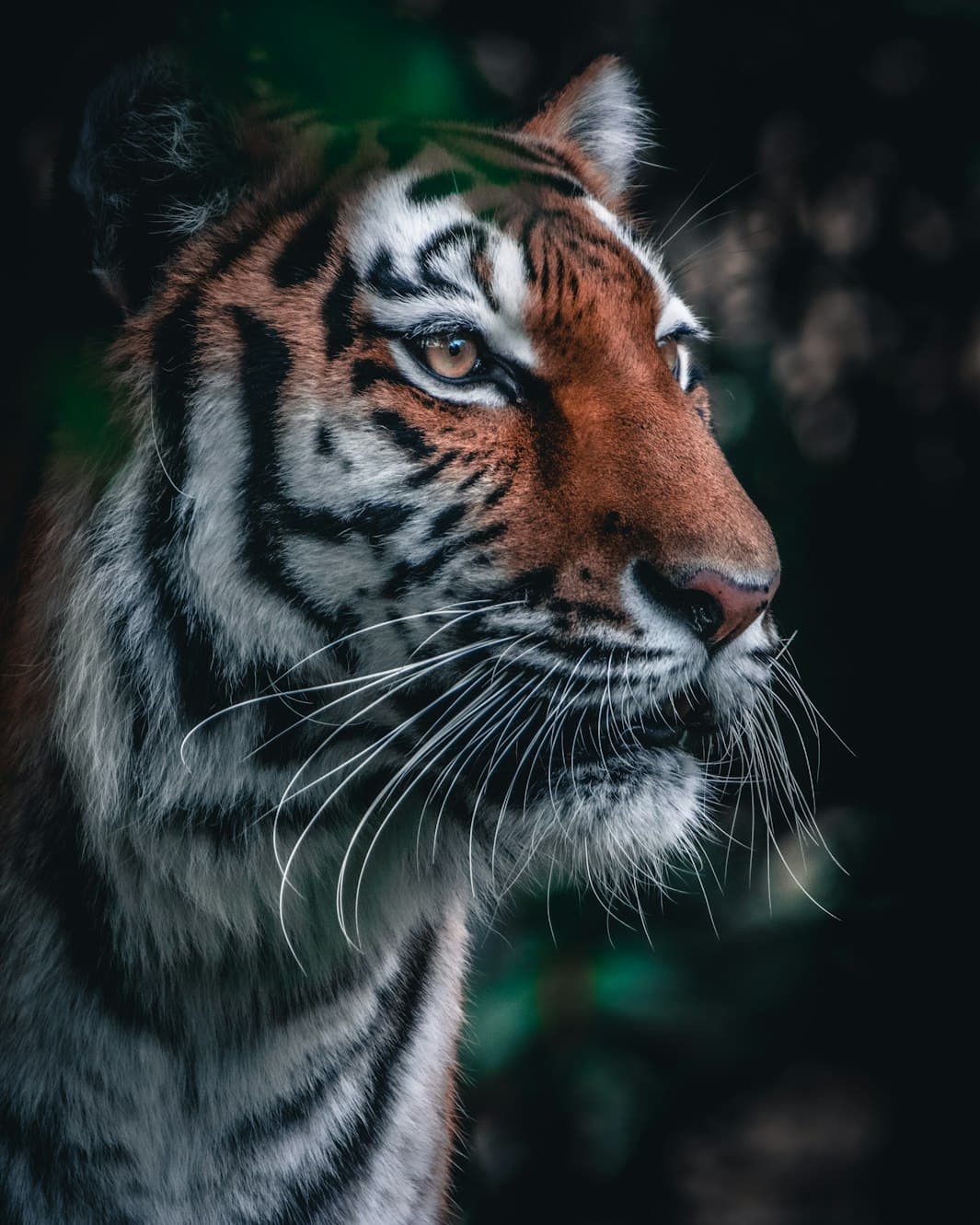
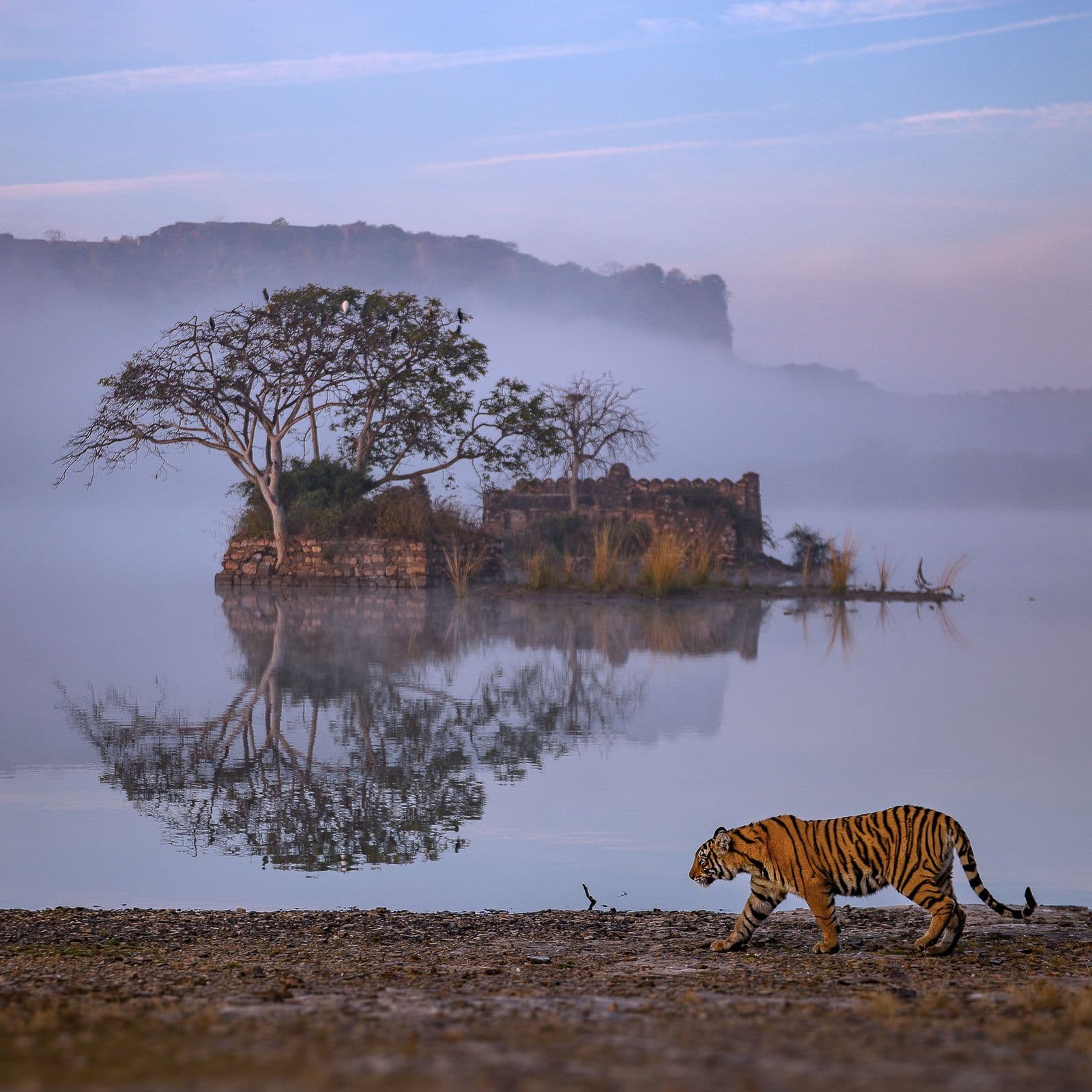
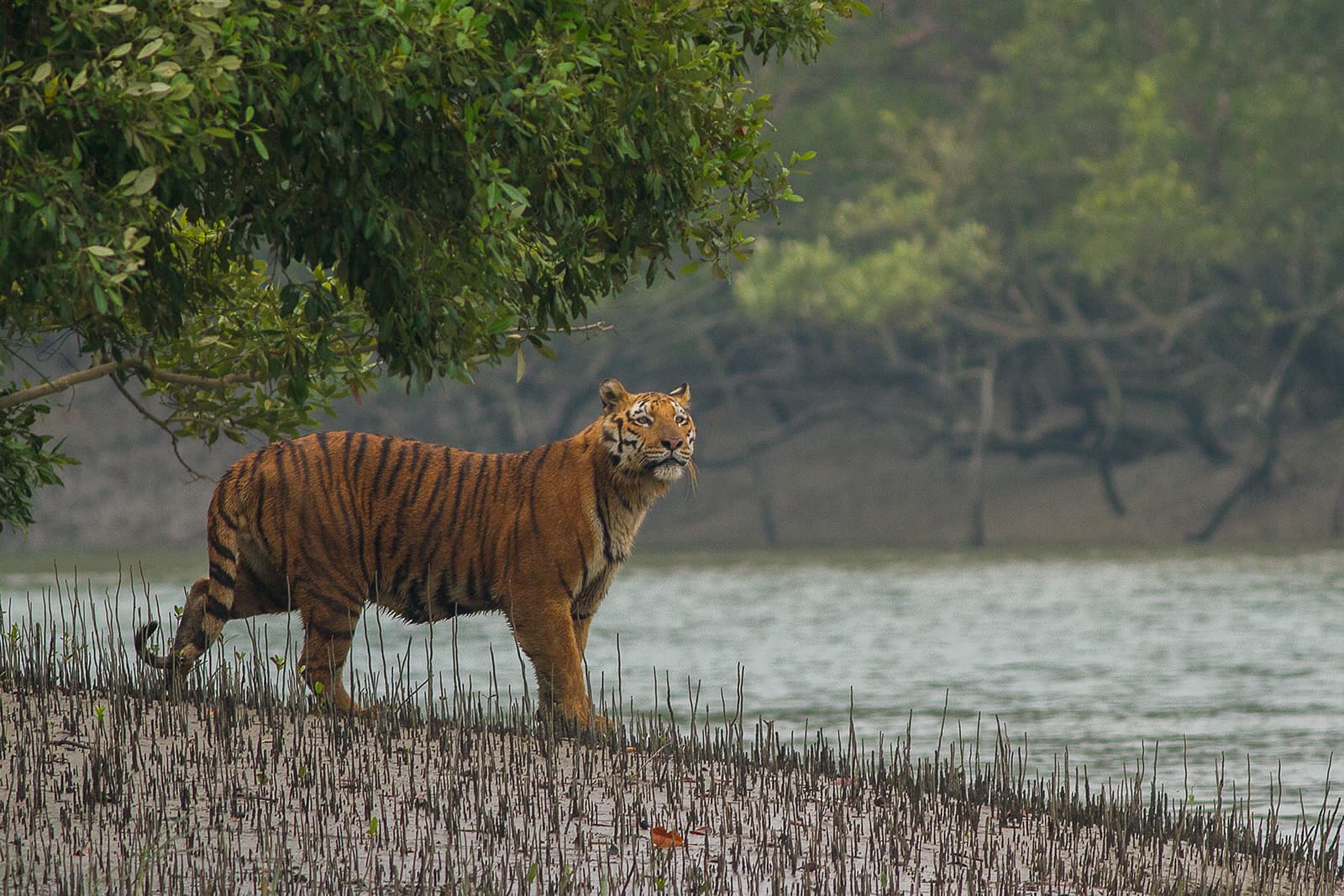
Female Bengal tiger walking

The tiger is the largest wild cat species on Earth and one of the most iconic predators in nature. Tigers are solitary hunters with striking orange coats patterned with black stripes — no two tigers have the same stripe pattern. As the national animal of India, the Bengal tiger is the most numerous subspecies, yet the species as a whole remains Endangered due to habitat loss and poaching.

Tiger

Panthera tigris

24 parks

sloth bear walking on grassland

The sloth bear is a myrmecophagous bear native to the Indian subcontinent, uniquely adapted to feed on insects — particularly termites and ants. It has a long, bare snout, flexible lips, and a gap in its front teeth through which it can forcefully suck up insects from mounds. Sloth bears are also known for carrying their cubs on their backs, a behaviour unique among bears.

Sloth Bear

Melursus ursinus

15 parks

Gharial

The gharial is one of the most critically endangered crocodilians in the world, with fewer than 300 mature individuals remaining in India and Nepal. Adapted to life in fast-flowing rivers with its long, narrow snout perfectly evolved for catching fish, the gharial is a specialist predator that cannot even walk on land — it can only push itself on its belly. Captive breeding and release programmes are the primary tool in its fight for survival.

Gharial

Gavialis gangeticus

6 parks

King Cobra

The king cobra is the world's longest venomous snake, capable of reaching 5.5 metres in length, and the only snake species known to build a nest for its eggs. Native to the forests of South and Southeast Asia, it feeds almost exclusively on other snakes. The king cobra is capable of raising the front third of its body off the ground while spreading its iconic hood — a display capable of looking a human directly in the eye.

King Cobra

Ophiophagus hannah

11 parks

Indian Vulture

The Indian vulture is a large Old World vulture formerly abundant across the Indian subcontinent that underwent one of the most rapid population collapses in wildlife history — losing over 97% of its population within a decade in the 1990s. The cause was traced to diclofenac, a veterinary anti-inflammatory drug that causes fatal kidney failure in vultures that consume treated carcasses. Conservation measures including a diclofenac ban and captive breeding programmes have begun to stabilise numbers.

Indian Vulture

Gyps indicus

6 parks

Featured national parks

Browse all parks →